
Anticlea virescens
Anticlea virescens
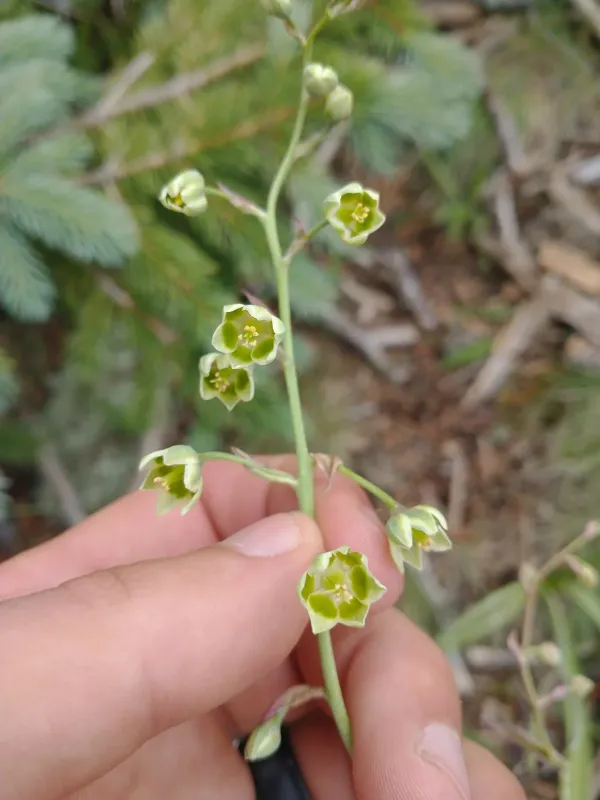
Description
Growing requirements
Anticlea virescens is a perennial herbaceous plant belonging to the Melanthiaceae family. Native to the mountainous regions of Mexico, this species is adapted to rocky terrains and slopes where it thrives in well-drained, nutrient-poor soils.
Botanically, it is defined as a bulbous geophyte. It produces a basal rosette of linear leaves and an erect flowering stem carrying small, greenish-white blossoms. The plant undergoes a period of dormancy, which is crucial for its subsequent flowering cycle.
For successful cultivation, the soil must be light, sandy, and highly permeable. It is essential to ensure that the medium does not retain excess water, as the bulbs are highly susceptible to rot if kept in continuously damp conditions during the dormant phase.
The plant prefers sites with bright, indirect light. While it is hardy in its native mountain climate, in domestic settings, it benefits from moderate humidity levels and protection from intense mid-day heat, which can scorch the foliage.
Economically, Anticlea virescens is primarily utilized as a specialized ornamental plant. It is frequently sought after by enthusiasts of botanical rarities who maintain rock gardens or alpine collections, appreciating its subtle, refined appearance.
Main diseases and pests
The primary threats to the cultivation of this species involve fungal pathogens that attack the bulb. Fungal infections, particularly root rot, are often a consequence of poor drainage or overwatering, which facilitates the growth of pathogenic fungi.
Pest management focuses on protecting the bulb from soil-borne insects, including wireworms and fungus gnats. Maintaining hygiene in the growing substrate and ensuring adequate airflow around the base of the plant are critical steps in preventing infestations.