
Siberian deathcamas
Anticlea sibirica
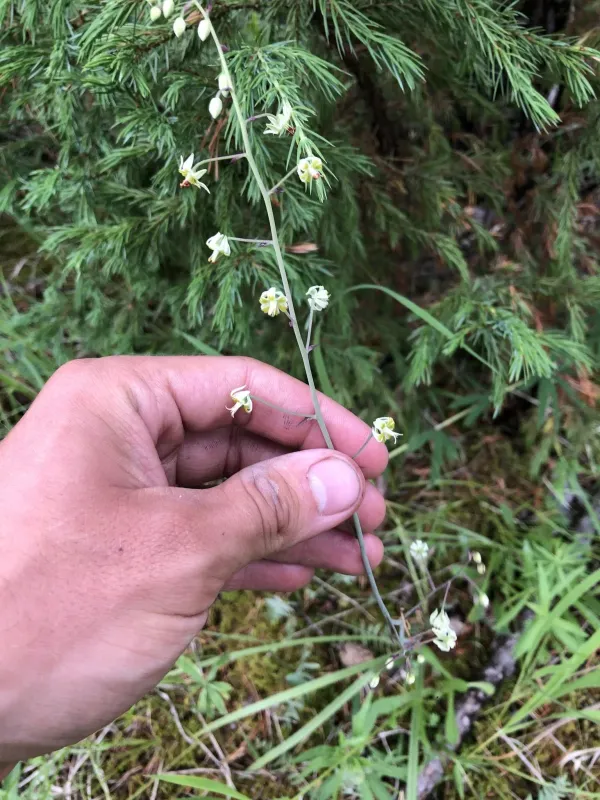
Description
Growing requirements
Siberian deathcamas (Anticlea sibirica) is a perennial herbaceous plant belonging to the Melanthiaceae family. It is a hardy species naturally distributed in the harsh environments of the Siberian and East Asian regions.
The plant thrives in well-drained, porous soils that mimic its native mountain slope or meadow habitat. Moisture management is crucial, as the root system is highly sensitive to waterlogging and compaction.
In terms of light exposure, it prefers sunny locations, though it can tolerate light shade during the warmest parts of the day. Consistent exposure to sunlight is essential for the healthy development of its inflorescences.
Siberian deathcamas is exceptionally cold-hardy, having evolved to survive long, freezing winters. It requires a distinct dormant period to reset its internal biological clock for the subsequent spring growth.
Soil quality should lean towards acidic or neutral pH levels, enriched with organic matter. Incorporating coarse sand or fine gravel into the planting site is recommended to ensure adequate drainage for the rhizomes.
Main diseases and pests
The primary concern for this species is root rot, typically caused by fungal pathogens that flourish in overly wet, stagnant conditions. Prevention through proper site selection and soil amendment is key.
Slugs and snails are the most common pests, particularly affecting young, emerging foliage during the wet spring months. Implementing physical barriers or traps can effectively mitigate this damage.
Foliar diseases, including various leaf spot fungi, can occur when air circulation around the plant is insufficient. Proper spacing between individual plants is vital for maintaining a healthy microclimate.
Aphids might colonize the flower stalks during the budding phase. While usually not fatal, heavy infestations can reduce the aesthetic quality and overall vitality of the plant.
Crown rot is another potential threat, often caused by poor sanitation or debris accumulation around the base of the plant. Regular cleanup of the planting area is strongly advised for long-term health.