
Anticlea occidentalis
Anticlea occidentalis
Description
Growing requirements
Anticlea occidentalis is a perennial herbaceous plant belonging to the Melanthiaceae family. This species is native to the western regions of North America, where it typically inhabits mountain meadows and slopes.
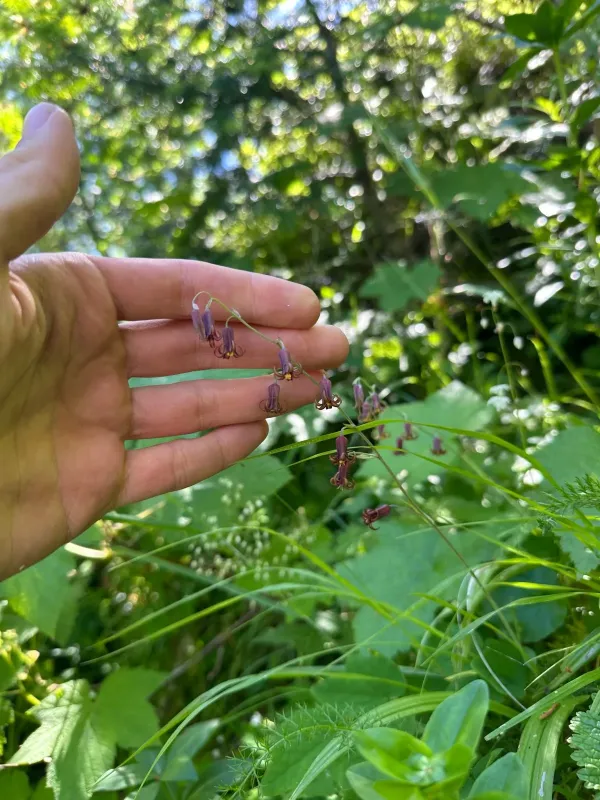
The plant is characterized by a bulbous root system and a basal rosette of leaves. It produces an upright stem topped with an open, branched or simple raceme of small, cream or greenish-white flowers during the summer months.
In terms of growing requirements, the species favors moist but well-drained soils. It thrives in sites with partial shade, mimicking the conditions of alpine or sub-alpine environments where natural populations are found.
The climate requirements include a preference for cool temperate regions with a distinct cold dormant period. It is not suitable for hot, arid climates unless carefully managed with irrigation and shade.
From an agricultural standpoint, it is primarily valued for its botanical interest and ornamental potential in rock gardens or specialized collections rather than as a commercial field crop.
Main diseases and pests
The primary threats to this plant are soil-borne pathogens resulting from poor drainage. Waterlogging is the single most significant factor causing root and bulb rot in cultivation.
Fungal infections can develop if the soil remains excessively dense and lacks proper aeration. Ensuring a coarse, loamy, or sandy soil mixture is essential for the long-term health of the plant.
Pests such as slugs and snails are known to consume foliage during the early stages of spring growth. Monitoring and physical barriers are often sufficient to prevent significant damage to the plant.
The plant contains alkaloids that are toxic to livestock and humans. This makes it an unsuitable choice for areas where grazing animals might consume the foliage, requiring careful spatial management.
Despite its toxicity, it does not typically attract severe infestations of insects. Maintaining good site hygiene and avoiding overhead watering during peak humidity helps prevent minor pathogen outbreaks.