
Anticlea vaginata
Anticlea vaginata
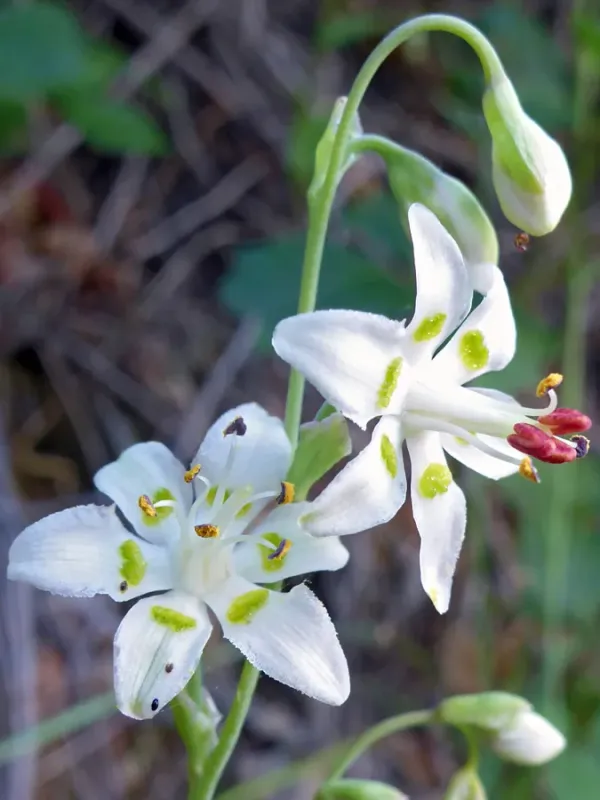
Description
Growing requirements
Anticlea vaginata is a perennial herbaceous plant belonging to the Melanthiaceae family. It is recognized for its distinctive physiological adaptations that allow it to thrive in specific, often challenging, high-elevation environments in North America.
The botanical structure of the plant features a bulbous root system and an erect stem that is uniquely covered by the sheaths of its leaves. This structural characteristic is the primary diagnostic feature for identifying the species in its natural habitat.
In terms of habitat requirements, this species favors well-drained, rocky, or gravelly soils. It cannot tolerate waterlogged conditions, as its bulb is highly susceptible to decay. Successful cultivation requires mimicking these specific moisture-retaining but aerated conditions.
Regarding climate, Anticlea vaginata thrives in regions with cool growing seasons and distinct periods of dormancy. It is highly adapted to areas that experience high solar radiation during the summer months, while also possessing resilience to wide fluctuations in diurnal temperatures.
While not a traditional agricultural crop for mass production, understanding the life cycle and ecological niche of this species is vital for conservationists. Further research into its growth patterns helps in maintaining genetic diversity and protecting sensitive highland ecosystems.