
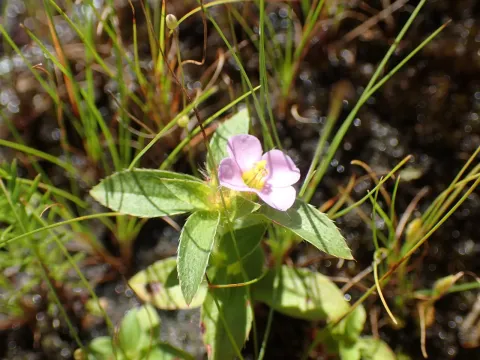
Antherotoma
Antherotoma
Antherotoma is a genus of herbaceous plants belonging to the Melastomataceae family. These plants are primarily native to the tropical regions of Africa and Madagascar, thriving in diverse habitats ranging from moist grasslands to swampy lowland areas.
What the section contains


Antherotoma
Botanically, these plants are known for their opposite leaves and typical melastome venation patterns. The flowers are usually small, consisting of four or five petals, and exhibit unique anther structures that provide the genus with its scientific name, referencing their specific morphology.
The environmental requirements for Antherotoma are strictly tropical. They demand consistently warm conditions with temperatures between 22°C and 28°C. Protecting them from cold drafts is essential for healthy foliage development and consistent flowering cycles.
Regarding soil, the genus prefers well-draining, slightly acidic substrates rich in organic matter. Proper aeration of the root system is crucial to prevent oxygen deprivation, which is a common stress factor for plants grown in heavy or poorly draining soils.
General maintenance includes a high-humidity regimen and indirect bright light. While they require frequent hydration, the root zone must not remain saturated, as this increases the risk of soil-borne pathogens. Regular monitoring for nutrient deficiencies, particularly iron, is advised for optimal growth.