
Antherotoma naudinii
Antherotoma naudinii
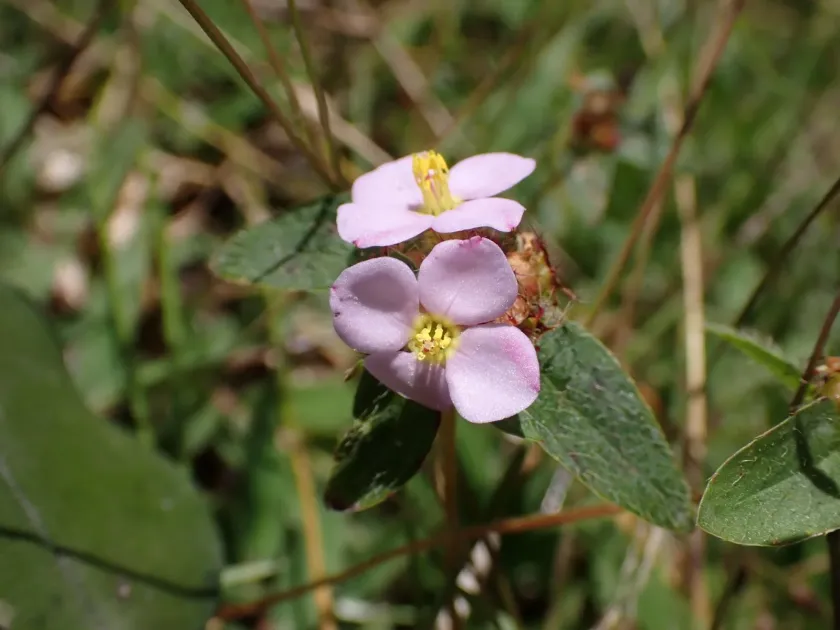
Description
Sowing dates
The sowing process for Antherotoma naudinii should ideally start at the onset of the rainy season, ensuring the soil has retained enough warmth for optimal germination. Seeds are sensitive to environmental conditions and require a stable temperature range of 20–25 degrees Celsius for consistent sprouting.
Due to the tiny size of the seeds, they should be sown on the soil surface and pressed down gently rather than buried deeply. Light is a crucial factor for the germination process, so keeping the top layer moist and exposed to sufficient, filtered light is essential.
In professional settings, starting plants in trays or seedbeds is highly recommended. This method allows for better control over the germination environment and ensures that the seedlings are robust enough before they are transplanted to the main production field.
The timing between sowing and emergence can vary, typically taking two to three weeks depending on soil temperature and moisture levels. Maintaining a consistent microclimate during this phase is vital to avoid high mortality rates among the young seedlings.
Weed management during the initial growth stage is critical for the success of the crop. Because young plants develop slowly, they are easily outcompeted by weeds, which makes pre-sowing soil preparation a non-negotiable step in the agronomic cycle.
Growing requirements
Antherotoma naudinii is a member of the Melastomataceae family and thrives in loose, organic-rich soils with excellent drainage properties. A soil pH level between 5.5 and 6.5 is preferred, supporting optimal nutrient uptake and root development.
The plant is highly sensitive to waterlogging, which often leads to root rot in tropical environments. Therefore, selecting a site with natural elevation or implementing raised beds is a standard practice to prevent excess moisture accumulation near the roots.
Sunlight requirements involve bright, indirect light. While the plant appreciates warmth, direct exposure to intense tropical sunlight can lead to scorching of the foliage, so partial shading is often employed in high-heat zones to preserve plant vigor.
Nutrient management is key during the vegetative phase. Applying balanced fertilizers ensures that the plant develops a strong structure, while shifting to higher potassium ratios during the reproductive phase helps in achieving better bloom density and health.
Wind protection is another requirement for this species. Given its structural properties, high wind can cause mechanical damage to the stems. Establishing windbreaks around the field is an effective way to minimize losses and maintain uniform growth.
Main diseases and pests
Fungal diseases, especially those causing leaf spots, are the primary health concern for this crop. These pathogens thrive in high humidity and are usually linked to poor air circulation, which is why spacing between plants must be strictly managed.
Pests such as aphids and spider mites are common threats, especially during dry spells when the plant's natural defenses may be slightly weakened. Monitoring for these pests should be done on a weekly basis to catch infestations before they spread.
Biological control agents, such as beneficial insects or organic sprays, are preferred over synthetic pesticides to maintain the ecological balance of the farm. Such measures are particularly important to ensure that the yield remains free from harmful chemical residues.
Root-knot nematodes can also affect the overall health of the crop, especially in fields with a history of intensive monoculture. Implementing a sound crop rotation schedule is the most effective preventative measure against these soil-borne threats.
Sanitation practices, including the regular cleaning of equipment and removal of infected plant debris, contribute significantly to disease prevention. By reducing the inoculum load, farmers can ensure a more stable and productive harvest season.