
Andreaea rothii
Andreaea rothii
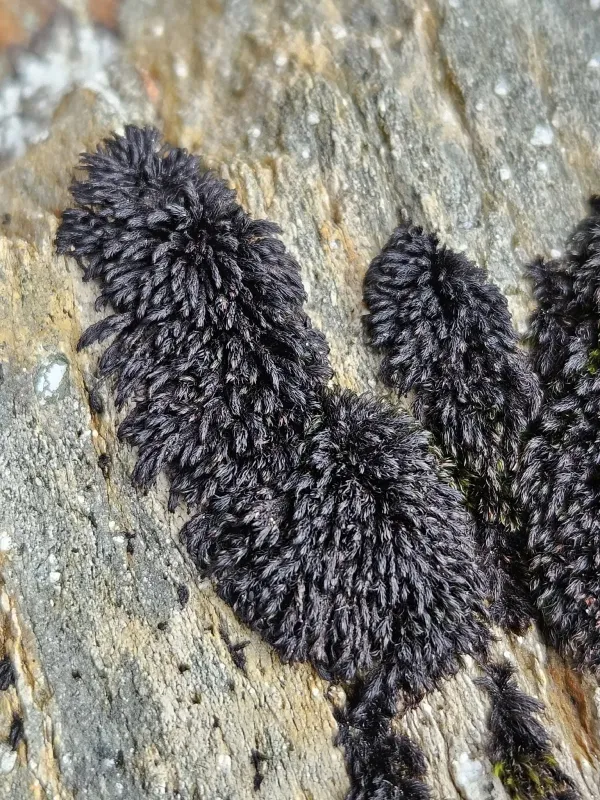
Description
Growing requirements
Andreaea rothii is a member of the Andreaeaceae family, a group of mosses well-known for their specific habitat requirements. It is an exclusively wild species and does not hold status as an agricultural crop.
The distribution of this species is tied to mountainous and cold regions, where it colonizes siliceous rocks. It serves as a pioneer species that initiates the weathering of stone surfaces into primitive soil.
Its botanical structure includes a small, dark-colored gametophyte that thrives in nutrient-poor environments. Unlike flowering plants, it lacks roots and absorbs water and minerals directly through its leaves.
The climate requirements involve high moisture availability but also a high tolerance for temperature fluctuations typical of alpine environments. It remains dormant during harsh winter periods.
There are no agricultural techniques associated with this moss, as it grows naturally in fragile ecosystems. Conservation of its natural habitat is the only way to ensure its presence in the ecosystem.
Main diseases and pests
Atmospheric pollution poses the most significant threat to Andreaea rothii, as the moss acts as a bio-accumulator of heavy metals and pollutants from the air.
Habitat fragmentation resulting from construction or mining projects directly removes the essential substrates required for the growth of this specialized plant.
Global temperature shifts leading to the drying of rock faces decrease the reproductive success of the moss, as spores require specific moisture levels for germination.
Herbivory is negligible due to the presence of secondary metabolites that discourage consumption by most animals, protecting the moss from physical destruction by herbivores.
Excessive competition from invasive or rapidly spreading lichen species can occasionally lead to the displacement of Andreaea populations on stable rock surfaces.