
Andreaea megistospora
Andreaea megistospora
Description
Growing requirements
Andreaea megistospora is a distinct species of rock moss belonging to the family Andreaeaceae. It is not an agricultural crop; rather, it is a botanical subject of interest within bryology due to its highly specialized niche in high-altitude environments.
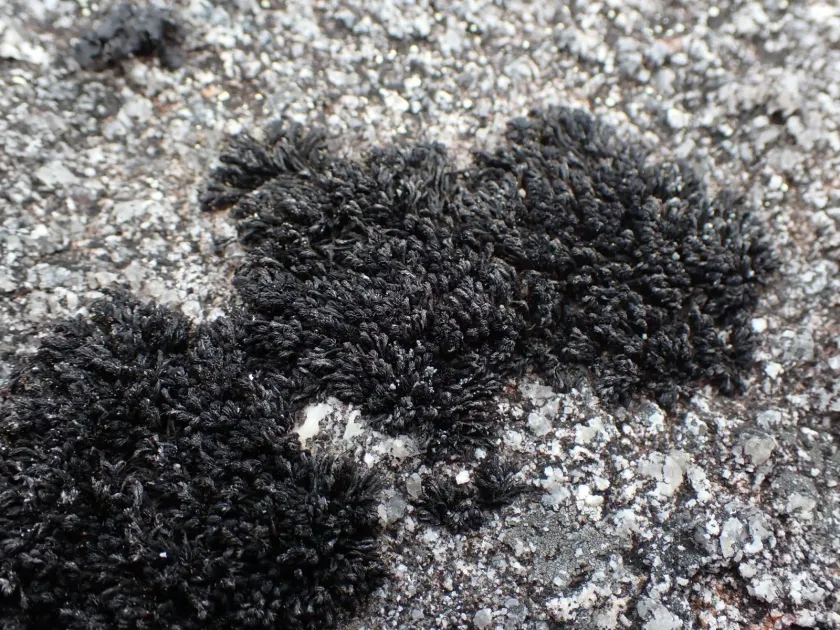
The plant is recognized by its dark, almost black, dense cushions that adhere firmly to acidic rock substrates. It lacks a true vascular system, relying on direct absorption of moisture and atmospheric nutrients to sustain its slow-paced life cycle.
Botanically, it is defined by its unique sporophyte development. The capsule is carried by a structure known as a pseudopodium, and it releases spores through longitudinal slits—a diagnostic feature characteristic of the genus Andreaea.
Environmental requirements for this species include cold to temperate climates with consistent moisture availability. It thrives in exposed, rocky locations where the competition from vascular plants is absent, acting as a primary colonizer of bare acidic rock surfaces.
There is no commercial agricultural use for Andreaea megistospora. Its primary value lies in its ecological role in mountain ecosystems, where it contributes to the early stages of soil formation and serves as a biological indicator of climatic conditions in remote regions.