
Narrow-leaved alkanet
Anchusa leptophylla Roem. & Schult.
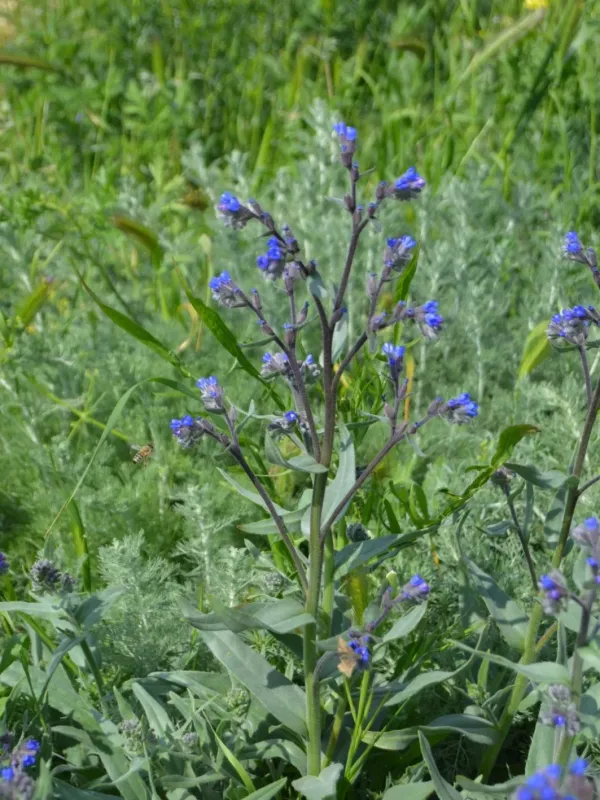
Description
Sowing dates
Sowing of Anchusa leptophylla is typically performed in early spring as soon as the soil warms up to 8–10 degrees Celsius, or in late autumn as a winter sowing. Seeds benefit from cold stratification, which is why autumn sowing often results in more vigorous seedling emergence.
For spring sowing, seeds should be placed at a depth of 1–2 centimeters. Maintaining consistent moisture in the upper soil layer is crucial during the germination phase to ensure the survival of young sprouts.
An optimal planting layout involves maintaining row spacing between 40 and 50 centimeters. This ensures adequate space for the development of the plant's deep root system and its expansive basal leaf rosette.
The seeding rate is determined by seed quality, usually requiring 1–1.5 grams per square meter. It is essential to firm the soil after sowing to improve contact between the seeds and the substrate.
The crop shows good germination energy when temperatures are between 15 and 20 degrees. Seedlings generally appear within 14–20 days after planting, provided that moisture levels are kept steady.
Growing requirements
Anchusa leptophylla is a drought-tolerant plant that thrives in well-lit, sunny areas. Excessive shading should be avoided as it leads to weak stems and a significant decrease in the intensity of flowering.
The best soil conditions are found in light sandy or loamy soils with a neutral or slightly alkaline pH. Waterlogging is detrimental to the plant, so sites with poor drainage should be avoided to prevent root issues.
As a member of the Boraginaceae family, this plant demonstrates remarkable environmental adaptability. While it can grow in nutrient-poor soils, modest applications of phosphorus and potassium fertilizers can enhance its nectar production.
The crop is known for its high cold hardiness, allowing it to successfully survive temperate winters. Established plants are also resilient to occasional late spring or early autumn frosts.
During the active growth stage, regular weeding is necessary because the plant is sensitive to competition in its early development. Once the basal rosette is fully formed, it becomes capable of suppressing most surrounding weeds.
Yield
The primary economic value of Anchusa leptophylla lies in its role as a high-quality honey plant. Nectar productivity per hectare can reach significant levels under optimal weather conditions, supporting active bee foraging.
The flowering period is extended throughout the summer, providing a stable supply of nectar for local bee populations. The honey produced from this plant is noted for its pleasant flavor and distinct aroma.
While the plant's biomass can serve as green manure, its use as fodder is limited due to the coarse, hairy texture of the stems and leaves, which may be unappealing to livestock.
Peak nectar production is typically observed during the second and third years of the plant's life. During these seasons, it produces a multitude of inflorescences, attracting high numbers of pollinators.
Seed production is an essential aspect of the crop's management. Harvesting occurs when the seed pods begin to turn brown, preventing natural shattering and ensuring a high yield of viable seed stock.
Main diseases and pests
Anchusa leptophylla generally possesses strong natural resistance to diseases, but high humidity and overcrowding can lead to powdery mildew. Ensuring proper plant spacing is a key preventative measure.
Occasional infestations of aphids may occur, primarily targeting young shoot tips and buds. Early detection is important, and if necessary, appropriate biological control agents can be used to manage the population.
Root rot may develop if the soil remains excessively wet. Selecting sites with good drainage and avoiding over-irrigation are the most effective ways to maintain the health of the plant population.
Leaf-eating insects can sometimes damage the foliage. In cases of significant outbreaks, biological insecticides are recommended to minimize impact while adhering to safety standards for pollinator-friendly crops.
Regular monitoring for symptoms of fungal leaf spots is advisable. Removing affected parts of the plants promptly can help contain the spread and maintain overall field health throughout the growing season.
Harvesting
Harvesting seeds requires careful timing, as individual seed pods mature unevenly. It is recommended to perform selective harvesting or cut the inflorescences once the majority have turned brown.
Cut stems should be bundled and dried in a well-ventilated, shaded area. Once completely dry, the seeds are easily threshed from the pods with minimal mechanical effort.
For green manure purposes, the crop should be mowed before it reaches the seed-setting stage. This encourages the plant to form a new leaf rosette and store energy reserves for the following winter.
For large-scale operations, mechanized harvesting is possible using specialized combines. Equipment settings should be fine-tuned to ensure minimal seed damage and prevent unnecessary harvest losses.
After cleaning the seed material using appropriate grain cleaning machinery, the final product should be stored in cool, dry conditions with adequate airflow to maintain seed viability for future planting.