
Anabasis syriaca
Anabasis syriaca
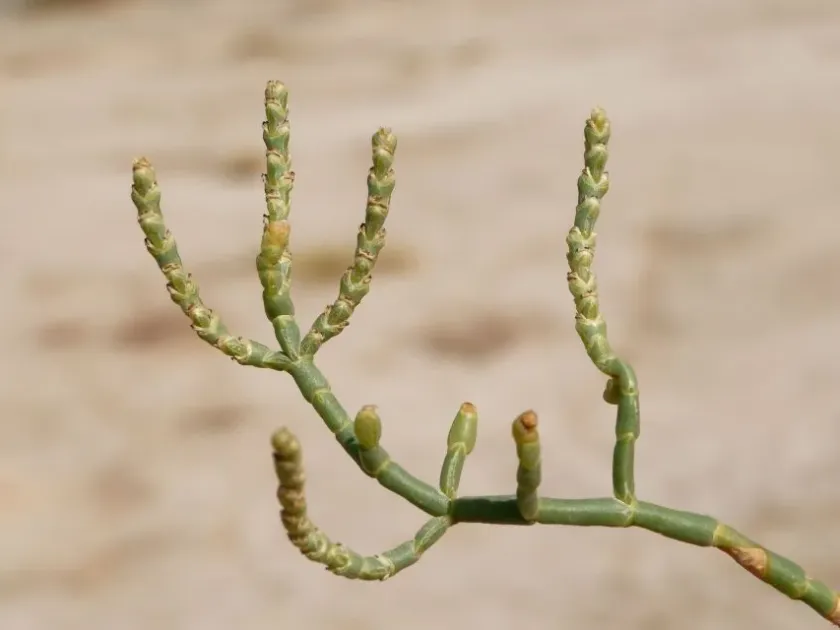
Description
Growing requirements
Anabasis syriaca is a perennial subshrub belonging to the Amaranthaceae family, known for its remarkable ability to survive in arid environments.
Native to the Middle East, this plant has adapted to harsh climates characterized by extremely low rainfall and high solar radiation.
It thrives in soils that are sandy, rocky, or have high salinity levels, which are typically unsuitable for traditional food crops.
The plant requires full sun exposure and excellent soil drainage, as high moisture levels can be detrimental to its root system.
Its ecological significance includes the prevention of soil erosion and the stabilization of desert lands, making it a valuable species for environmental management.
Yield
The primary agricultural interest in Anabasis syriaca lies in its aerial parts, which serve as a natural source of specific alkaloids.
Yield estimation is focused on the dry weight of the green mass, which must be collected at specific developmental stages to ensure high concentrations of active compounds.
Systematic harvesting practices are employed to ensure that the plant maintains its perennial structure and is capable of regeneration in subsequent seasons.
Productivity is generally stable under optimal environmental conditions, though yield may fluctuate significantly based on seasonal precipitation levels.
Post-harvest processing involves standardized drying techniques to maintain the purity and potency of the botanical material collected.
Main diseases and pests
The cultivation of this plant faces challenges from specialized pests that target plants within the Amaranthaceae and Chenopodiaceae families.
Certain species of larvae may cause defoliation, which can temporarily reduce the plant's capacity for photosynthesis and overall biomass accumulation.
Fungal pathogens associated with excessive soil moisture are considered a primary disease risk in managed cultivation settings.
Weed infestation during the establishment phase is a significant concern that can inhibit early growth if not addressed through timely manual weeding.
Preventive measures include maintaining proper row spacing and ensuring adequate soil aeration to mitigate the risk of pathogen outbreaks.