
Anabasis oropediorum
Anabasis oropediorum
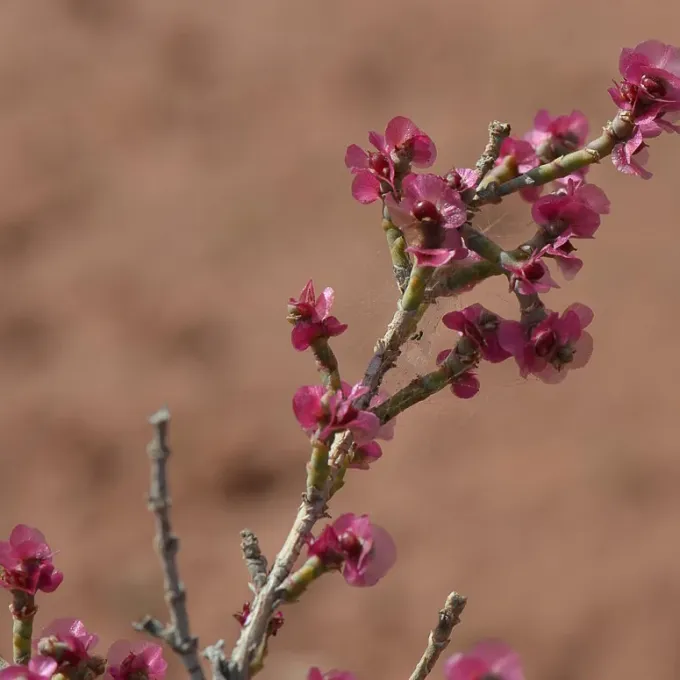
Description
Growing requirements
Anabasis oropediorum is a hardy perennial subshrub belonging to the Amaranthaceae family. The plant is characterized by its distinct articulated stems and succulent structure, which are highly specialized adaptations for survival in arid and semi-arid desert environments.
The natural habitat of this species includes rocky mountain slopes, scree deposits, and saline soil conditions. Due to its unique physiological properties, the plant acts as a pioneer species in reclaiming degraded lands and managing areas with high salt concentrations in the soil profile.
The crop requires a climate with high solar radiation and significant temperature variations between day and night. It thrives in regions where most traditional crops would fail due to water scarcity, utilizing its deep root system to access moisture at lower soil depths.
Soil management for Anabasis involves ensuring maximum porosity and effective drainage. The plant is extremely sensitive to waterlogging, which can cause physiological stress and invite pathogen outbreaks, making high-lying or sloped land the most suitable for successful cultivation.
The primary economic value of the plant lies in its chemical composition, specifically the presence of alkaloids like anabasine. Historically and currently, these compounds are extracted for use in developing bio-insecticides for agricultural pest control and various pharmaceutical formulations.
Main diseases and pests
The main threats to the health of these plants are related to fungal pathogens, particularly in instances where soil aeration is poor or humidity levels are artificially elevated. Root rot remains the most critical issue that can rapidly destroy entire plantations if not addressed.
Insect pests include various species of beetles and specialized caterpillars that feed on the succulent shoots of the plant. Monitoring and establishing sustainable pest management protocols are essential for maintaining the productivity of the crop during the active vegetative phase.