
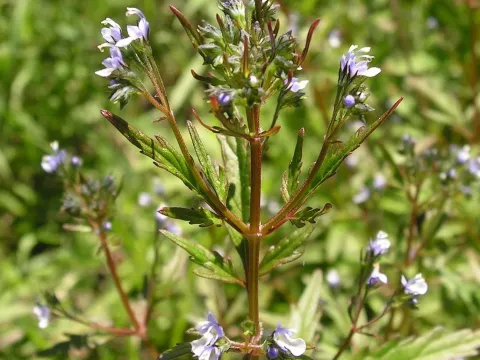
Amethystea
Amethystea
Amethystea (Amethystea caerulea) is an annual herbaceous plant belonging to the Lamiaceae family. In temperate climates, seeds are sown in open ground during spring once soil temperatures reach 10–12 degrees Celsius.
What the section contains

Amethystea
For large-scale production, starting seeds in greenhouses or plug trays 4–6 weeks before transplanting is standard. This method ensures uniform germination and increases crop resilience against adverse weather conditions.
Optimal planting depth is between 0.5 and 1 centimeter. Due to the small size of the seeds, firming the soil surface after sowing is essential to maintain capillary moisture and ensure successful germination.
When sowing in rows, a spacing of 45–60 centimeters is recommended. This layout promotes adequate airflow between plants, which is crucial for reducing humidity-related diseases and facilitating mechanical weeding operations.
The seeding rate is calculated based on seed viability and specific variety characteristics, generally ranging from 2 to 4 kilograms per hectare, provided the seedbed is thoroughly prepared.
Amethystea thrives in well-lit locations with light, fertile sandy or loamy soils. The crop has a high demand for solar radiation, which is a key factor for the synthesis and accumulation of essential oils.
While moderately drought-tolerant, the crop requires regular irrigation during its active vegetative phase to achieve optimal biomass production. Waterlogged soils, especially during cold spells, can severely damage the root system.
The ideal soil pH for Amethystea ranges between 6.0 and 7.5. The plant does not perform well in acidic peat soils or heavy clay soils that are prone to surface crusting after rainfall.
Fertilization strategies prioritize moderate nitrogen applications during the early stages of development. During the budding phase, phosphorus and potassium complexes are applied to enhance tissue strength and overall aromatic yield.
Amethystea is highly sensitive to late spring frosts. When planning commercial plantings in regions with high climate variability, it is advisable to select sheltered sites with southern exposure to mitigate cold stress.
The primary threats to Amethystea are fungal diseases such as root rot and powdery mildew, which thrive in stagnant, humid environments. Maintaining proper spacing and regular weeding helps significantly reduce the incidence of these pathogens.
Common pests include flea beetles and aphids. When infestation levels exceed economic thresholds, authorized insecticides with short pre-harvest intervals are utilized to protect the crop without compromising quality.
In excessively wet seasons, the crop may be susceptible to late blight. Preventive measures focus on crop rotation, ensuring the plant is not returned to the same plot for at least three years to break the pathogen cycle.
Slugs and snails can cause significant damage to young seedlings, especially during prolonged cool springs. Caution is required when using mulch, as it may provide a refuge for these pests.
Biological control methods, such as utilizing beneficial insects and fungi-based biopesticides, are recommended for sustainable production, ensuring the final harvest meets modern purity and quality standards.
Harvesting Amethystea for essential oil extraction occurs during the peak flowering stage, when the concentration of aromatic compounds in the aerial parts is at its maximum. This timing is critical for ensuring the highest aromatic quality.
Cutting should be performed in dry, sunny weather, preferably in the morning after the dew has evaporated. This practice preserves the integrity of essential oils and prevents the discoloration of the biomass.
The crop can be processed either fresh or after being air-dried in a shaded, well-ventilated area. Drying must be rapid to prevent fermentation and the oxidation of volatile components within the plant tissue.
Post-harvest, the raw material is sorted to remove weeds and coarse stem debris. This cleaning process is vital for determining the quality grade and final market value of the product for the pharmaceutical and cosmetic sectors.
Stored material should be kept in airtight containers in a cool, dark environment. Under optimal conditions, Amethystea can maintain its unique biological and aromatic properties for up to 12–18 months.