
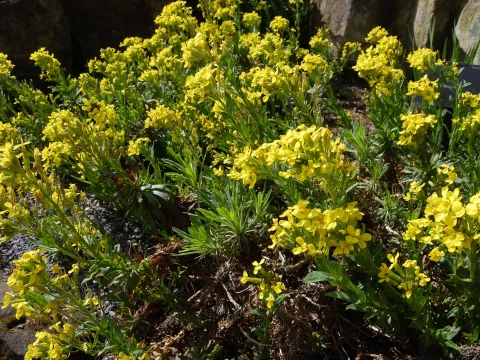
Alyssoides
Alyssoides
Alyssoides is a genus of flowering plants belonging to the Brassicaceae family. It is known for its resilience and ability to thrive in harsh environments, making it a valuable addition to various landscapes.
What the section contains

Alyssoides
The optimal time for sowing is during the early spring once the risk of severe frost has passed. Seeds should be placed in well-prepared, loose soil to facilitate uniform germination.
For a controlled growth, many growers prefer starting the seeds indoors in trays. Using a high-quality seed starting mix ensures that the seedlings develop strong root systems before being transplanted outdoors.
Sowing depth is a critical factor for Alyssoides. Since the seeds are small, they should be covered only by a thin layer of soil, approximately 0.5 to 1 centimeter deep, to ensure they receive sufficient light.
Adequate spacing between plants is recommended to promote air circulation. A distance of 25 to 30 centimeters is usually sufficient to avoid overcrowding and to allow each plant to reach its full potential size.
Alyssoides requires full sun exposure to thrive. When grown in shaded areas, the plants tend to become leggy and produce fewer flowers, which diminishes their primary ornamental value in the garden.
The ideal soil for this crop is well-drained and slightly alkaline or neutral. These plants are sensitive to waterlogged conditions, so ensuring the soil has excellent drainage is a top priority for successful cultivation.
Temperature management is generally straightforward as the plant is hardy. It can withstand cooler climates, but it is essential to protect it from standing water during wet winter periods to prevent root issues.
Maintenance involves regular weeding to reduce competition for nutrients. Additionally, surface hoeing helps to keep the soil structure aerated, allowing oxygen to reach the root zone more effectively.
While Alyssoides is quite adaptable, light fertilization in the spring can boost flower production. A balanced fertilizer applied sparingly is usually enough to support the plant throughout its active growing season.
Fungal diseases such as powdery mildew are the most common threats to Alyssoides. These conditions are typically caused by high humidity and poor air circulation around the foliage of the plants.
Root rot is another significant concern, particularly in heavier soil types that retain too much moisture. Improving drainage and avoiding excessive watering are the best preventative measures against these pathogens.
Pests like flea beetles, which are common to the Brassicaceae family, can cause damage to the leaves. Monitoring the plants regularly allows for early detection and intervention before the infestation becomes severe.
Cultural control methods include removing weeds that may serve as alternative hosts for these insects. Maintaining healthy, vigorous plants through proper nutrition and watering also helps in naturally resisting pest attacks.
If chemical interventions are necessary, choosing environmentally friendly or systemic products is recommended. Proper application during the early stages of the growing season minimizes the impact on the plants' overall health.