
Alyssoides cretica
Alyssoides cretica
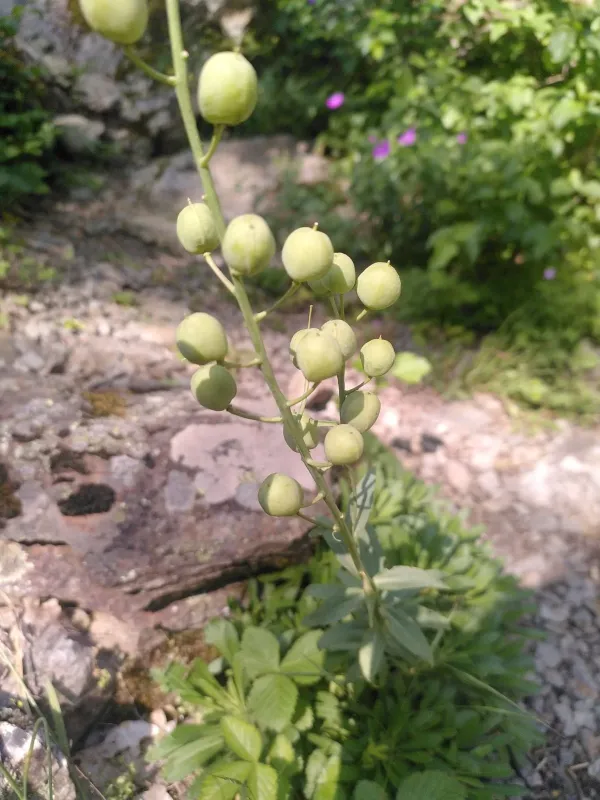
Description
Sowing dates
Sowing Alyssoides cretica seeds is ideally performed in late autumn to allow natural stratification through cold winter temperatures, which improves germination rates.
If sowing is planned for the spring, seeds must be cold-stratified in a refrigerator at temperatures between +2 and +4 degrees Celsius for at least six weeks.
Seeds should be sown on the surface of the soil with minimal covering, as they require light exposure to trigger the germination process effectively.
Maintaining a constant, moderate moisture level in the seedbed is crucial during the early stages of seedling emergence and initial root establishment.
When seedlings reach the stage of two or three true leaves, they should be carefully transplanted to their permanent location in the rock garden or flower bed.
Growing requirements
Alyssoides cretica is a perennial herbaceous plant belonging to the Brassicaceae family, native to the rugged and rocky terrains of the Mediterranean region.
The plant thrives in full sun exposure, requiring at least six to eight hours of direct sunlight daily to maintain compact growth and prolific flowering.
It prefers well-drained, gritty, or sandy soil conditions and performs poorly in heavy, clay-based soils that retain moisture for too long during the rainy season.
The species is highly adapted to dry environments and displays significant drought tolerance once it has established a mature and deep root system.
It does not require frequent fertilization, as excessive nutrients can lead to lush but weak foliage at the expense of flower production and overall plant hardiness.
Main diseases and pests
Root rot caused by fungal pathogens is the most significant threat, particularly in poorly drained soils where water stagnation occurs during the dormant season.
Crucifer flea beetles are a common pest that feeds on the foliage, leaving characteristic small holes and potentially stunting the growth of young plants.
Powdery mildew can affect the plant during periods of high humidity and poor air circulation, manifesting as a dusty white fungal layer on the leaves.
To prevent disease, it is essential to ensure proper spacing between plants to facilitate air movement and reduce the humidity around the leaf base.
Integrated pest management, including regular weeding and mechanical removal of infected parts, is recommended to keep the plants healthy throughout the season.