
Bladderseed
Alyssoides utriculata
Description
Sowing dates
Sowing of Alyssoides utriculata seeds is recommended in the autumn, as the seeds benefit significantly from natural stratification through the winter months.
If spring sowing is preferred, it is crucial to perform cold stratification for several weeks to break seed dormancy and ensure uniform germination rates.
Seeds should be sown in well-prepared, loose, and well-draining soil to ensure the young seedlings have the best possible start for development.
Surface sowing or very shallow covering with soil is required, as the small seeds need exposure to light to trigger their germination cycle successfully.
Once planted, keeping the soil moist but not waterlogged is essential for the first few weeks until the seedlings establish their initial root systems.
Growing requirements
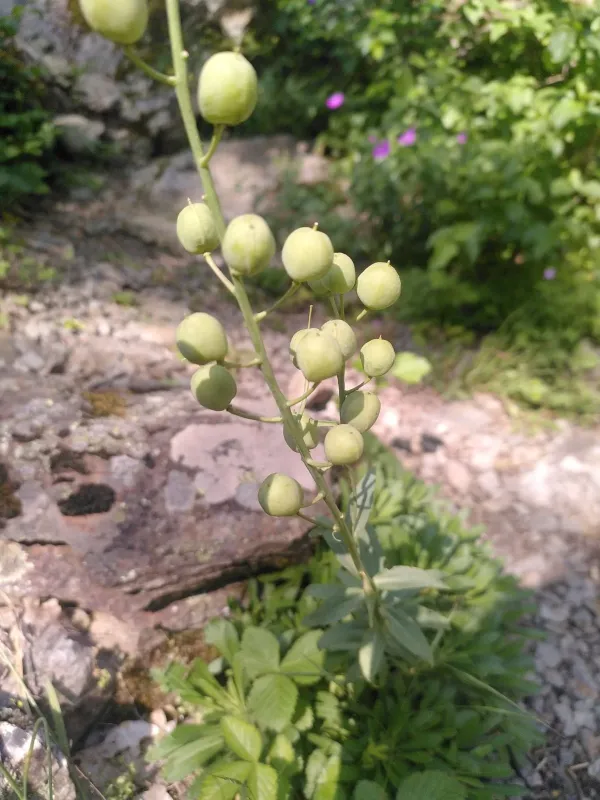
Alyssoides utriculata, belonging to the Brassicaceae family, is a perennial herb known for its resilience and unique bladder-like fruit capsules.
This species thrives in sunny, open locations and is particularly well-suited for rock gardens or arid landscapes where other plants might struggle.
The ideal soil for this crop is light, porous, and lime-rich, reflecting the natural rocky habitats from which it originates in Southern Europe.
Drainage is the most important factor in the cultivation of this plant, as heavy or clay-based soils can quickly lead to root decay and total plant loss.
Maintenance is minimal once the plant is established, as it requires very little additional irrigation even during extended hot and dry periods.
Main diseases and pests
The main threat to this plant is root rot caused by poor soil drainage and excessive humidity, especially during periods of unseasonably high rainfall.
Crucifer flea beetles are the most frequent insect pests, capable of damaging the leaves and causing stunted growth in young or weakened specimens.
Fungal infections, which thrive in moist and stagnant air environments, can severely weaken the plant and negatively impact its overall aesthetic value.
To prevent these threats, it is advised to ensure proper spacing between plants to allow for adequate airflow and to avoid overhead irrigation methods.
Regular monitoring of the foliage and timely application of appropriate pest control measures will help keep the plants healthy and vigorous throughout the season.