
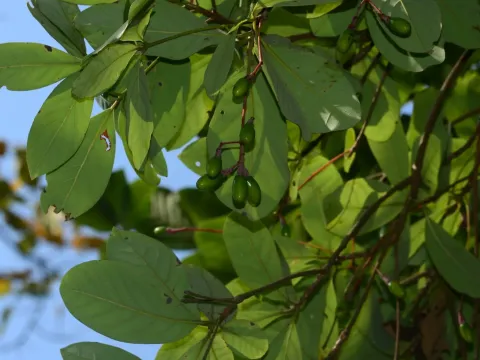
Alseodaphne
Alseodaphne
Alseodaphne is a genus of evergreen trees belonging to the Lauraceae family. These trees are native to the tropical forests of Southeast Asia and are valued primarily for their sturdy wood and ecological role.
What the section contains
 Alseodaphne bancana
Alseodaphne glauciflora
Alseodaphne glauciflora
Alseodaphne bancana
Alseodaphne bancana
Alseodaphne glauciflora
Alseodaphne glauciflora
 Alseodaphne insignis
Alseodaphne intermedia
Alseodaphne intermedia
Alseodaphne insignis
Alseodaphne insignis
Alseodaphne intermedia
Alseodaphne intermedia
 Alseodaphne nigrescens
Alseodaphne obovata
Alseodaphne obovata
Alseodaphne nigrescens
Alseodaphne nigrescens
Alseodaphne obovata
Alseodaphne obovata
 Alseodaphne semecarpifolia
Alseodaphne semecarpifolia
Alseodaphne semecarpifolia
Alseodaphne
These trees require a tropical climate with high humidity and consistent temperatures throughout the year. They thrive in environments where there is no risk of frost, as the species is highly sensitive to cold weather.
The ideal soil for Alseodaphne cultivation is deep, nutrient-rich, and well-drained. Avoiding waterlogging is critical to maintaining tree health, as the roots require good aeration to prevent decay.
In their natural habitat, these trees grow in lowland rainforests and are capable of surviving in various light conditions, though rapid growth is observed when they receive adequate sunlight in managed stands.
Agrotechnical management includes proper spacing for optimal canopy development and regular monitoring to ensure that the trees do not face competition from invasive shrubs during their early developmental stages.
The primary economic use of Alseodaphne is in the forestry industry. The wood is highly regarded for its physical properties, including its density and natural resistance to various environmental stresses.
The timber produced is utilized for high-quality furniture, interior design elements, and construction projects. Its excellent workability makes it a popular choice for craftsmen and industrial manufacturers.
Harvesting is conducted based on sustainable forestry practices, ensuring that only mature trees are selected. This approach helps maintain the biological integrity of the forest while providing a steady supply of resources.
Beyond timber, ongoing research into the chemical components of Alseodaphne bark and leaves suggests potential applications in pharmaceutical research due to the presence of unique bioactive compounds.
Effective resource management requires careful rotation planning to balance timber production with the need for reforestation, ensuring that the population of these valuable trees remains stable for future generations.