
Aloinopsis acuta
Aloinopsis acuta
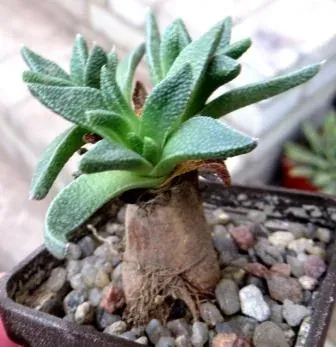
Description
Sowing dates
Propagation of Aloinopsis acuta from seeds is best achieved during the early spring months. This timing aligns with the natural increase in sunlight hours, providing the seedlings with optimal energy for robust initial growth.
The sowing medium must be highly porous and sterile, typically a blend of coarse sand, perlite, and a small amount of fine grit. Seeds should be sown on the surface and pressed firmly rather than buried under a thick layer of soil.
Maintaining a constant microclimate is crucial during the germination phase. Covering the seed tray with plastic wrap or a glass lid helps retain moisture and keeps temperatures between 20 and 25 degrees Celsius.
Once germination occurs, which usually takes about two weeks, the humidity levels should be gradually reduced to prevent damping-off. Exposure to fresh air is vital to harden off the young, delicate succulents.
Transplanting the seedlings to individual pots should be postponed until they have developed a noticeable caudex. Moving them too early can interrupt root development and significantly stress the young plants.
Growing requirements
Aloinopsis acuta is a fascinating succulent belonging to the Aizoaceae family, native to the arid environments of South Africa. It is characterized by its succulent leaves and specialized root system designed for water storage.
High light intensity is the most critical environmental requirement. To maintain a compact shape and ensure healthy growth, the plant must be placed in a location with abundant direct sunlight, ideally a south-facing aspect.
The substrate must provide excellent drainage to mimic the rocky, desert habitats of its origin. A soil mix consisting primarily of mineral components such as volcanic rock, sand, and pumice is essential for long-term health.
Watering practices must follow a seasonal cycle. During the active growing season, water sparingly, allowing the substrate to dry out completely between applications. During winter dormancy, keep the plant almost entirely dry.
Adequate ventilation is necessary to ensure the plant does not overheat or develop fungal issues. Stagnant air coupled with high humidity can be fatal to this species, as it rapidly promotes decay in the succulent tissues.
Main diseases and pests
Root rot is the most common threat to Aloinopsis acuta, often caused by overwatering or using a soil mix that retains too much moisture. Once the root system begins to decay, the plant is extremely difficult to revive.
Mealybugs are the most frequent pests, often clustering in the leaf axils where they are protected by their waxy secretions. Regular inspections are necessary to catch infestations before they spread to other parts of the collection.
Spider mites can become an issue in extremely dry and hot environments. They thrive when the plant is stressed, leading to discolored leaves and stunted growth if not treated with appropriate acaricides or systemic insecticides.
Preventive measures include keeping the plant clean of debris and ensuring that water never accumulates on the crown. Utilizing a fan for gentle air circulation can also reduce the risk of humidity-related pathogens.
If physical damage occurs, such as a broken leaf, it is important to allow the wound to callous over naturally in a dry environment. This process prevents bacterial entry and ensures the continued health of the succulent.