
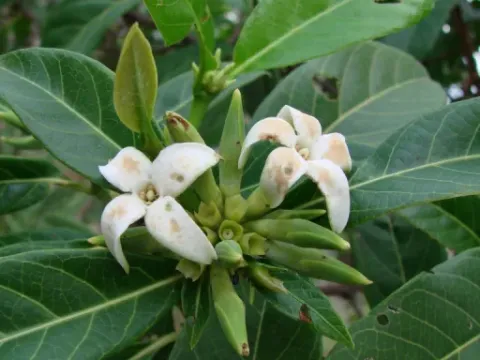
Alibertia
Alibertia
Alibertia is a genus of evergreen shrubs and trees belonging to the Rubiaceae family. These plants are native to the tropical regions of Central and South America, with a significant presence in the Amazon basin.
What the section contains

Alibertia
The culture thrives in tropical climates characterized by high temperatures and consistent rainfall throughout the year. It requires protection from frost and prefers environments where climatic conditions remain relatively stable.
Regarding soil requirements, Alibertia performs best in fertile, well-drained soils. Proper drainage is essential, as the roots are sensitive to waterlogging, which can lead to rapid decay in non-adapted environments.
Botanically, these plants are known for their dense, leathery foliage and specific floral structures typical of the Rubiaceae family. The architecture of the tree is generally robust, making it a prominent element of the local vegetation.
The economic importance of Alibertia is primarily linked to its edible fruit. These are widely used by local populations to produce traditional beverages and preserves, serving as a meaningful source of nutrition and flavor.
Yield capacity depends heavily on the specific species, age of the tree, and the quality of the growing site. In native habitats, trees can produce significant quantities of fruit during the peak season.
Harvesting is typically performed manually. Growers monitor the maturation process, identifying the correct time to pick based on the change in skin color and the softening of the fruit texture.
To optimize yields in a plantation setting, farmers employ organic fertilization and pruning techniques. Regular maintenance helps in managing the canopy density, which in turn enhances the availability of light to the fruiting branches.
Due to the perishable nature of the fruit, logistics play a critical role in the agricultural cycle. Post-harvest processing often occurs immediately to ensure that the nutritional and organoleptic properties are preserved.
As the plant is largely semi-domesticated, current yield data varies significantly. Future agricultural research may focus on identifying higher-yielding selections to transition from wild harvesting to commercial cultivation.
Fungal pathogens represent the most significant threat to Alibertia, particularly in environments with high humidity. These conditions can cause leaf spots and fruit rot if not managed properly through canopy ventilation.
Pests such as aphids and scale insects are common. These insects damage young leaves and twigs, which can eventually stunt growth and facilitate the spread of secondary viral infections.
Integrated pest management (IPM) is recommended for sustainable production. This includes manual monitoring, the use of biological control agents, and maintaining overall tree vigor through appropriate agricultural practices.
Sanitation in the orchard is crucial. Removing dead wood and fallen fruit prevents the buildup of pathogen spores, which is a standard procedure for maintaining the health of the cultivation area.
Overall, the resistance of the plant is linked to environmental stressors. Providing optimal growing conditions acts as the first line of defense against most common pests and diseases found in tropical horticulture.