
Alibertia edulis
Alibertia edulis (L. Rich.) A. Rich.
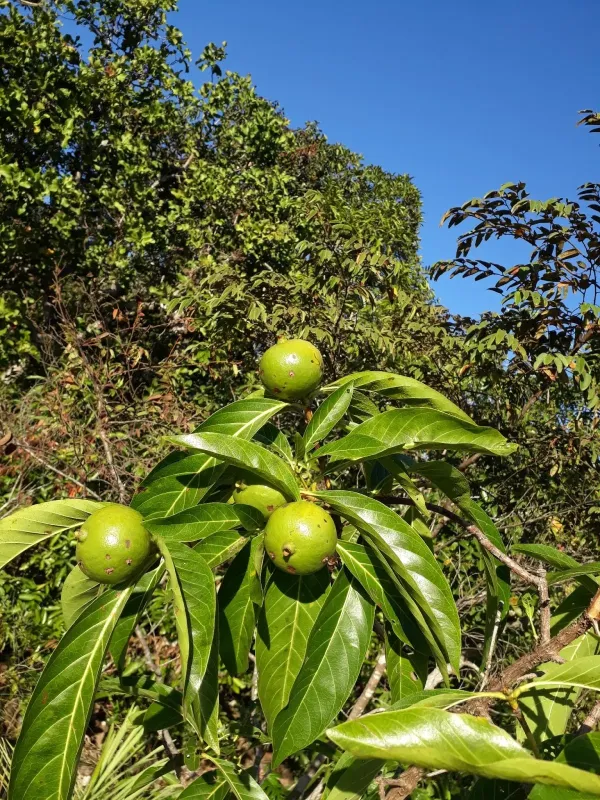
Description
Sowing dates
The propagation of Alibertia edulis is primarily achieved through seeds. Freshly harvested seeds exhibit high germination rates, making it advisable to sow them immediately after extracting them from the pulp of ripe fruits to ensure successful development.
For sowing, it is recommended to use a well-draining substrate rich in organic matter. Maintaining a constant temperature between 24 and 28 degrees Celsius, along with adequate soil moisture, creates the optimal conditions for germination.
Germination typically occurs within three to six weeks depending on the consistency of the environment. Protecting the seeds from extreme fluctuations in temperature or drying out is crucial for achieving high sprout rates.
In nursery settings, seedlings are often grown in containers, which allows for better management of root health before permanent planting. Transplants are generally moved to the field once they reach a height of at least 30 centimeters.
Newly planted saplings require careful shade management during their initial establishment phase. Protecting young trees from direct, harsh sunlight prevents scorching and helps ensure long-term survival in tropical environments.
Growing requirements
Alibertia edulis is a member of the Rubiaceae family and thrives as an evergreen tree native to tropical rainforest ecosystems. It is well-adapted to high-humidity environments and requires consistent rainfall throughout the year for optimal growth.
The species prefers fertile, loamy soils that provide excellent drainage. Waterlogged soil conditions are detrimental to the plant, often leading to root decay, thus, selecting a site with proper geological drainage is essential for successful cultivation.
Climate requirements include year-round warm temperatures, as the tree is sensitive to frost and sudden cold snaps. It thrives in tropical and equatorial regions where the climate remains stable and frost-free.
For vigorous vegetative growth, the plant requires abundant indirect or filtered sunlight. While it can tolerate partial shade, productivity, particularly regarding flowering and fruit set, is significantly higher in well-lit areas.
Standard agrotechnical practices for this species include periodic weeding and the application of organic mulch around the tree base. This practice helps preserve soil moisture and provides necessary nutrients as the organic matter decomposes.
Yield
The yield of Alibertia edulis varies based on the age of the tree and environmental stressors. Mature specimens can produce significant quantities of edible fruits, which are popular for their sweet flavor and aromatic qualities.
Fruits generally reach harvestable size and maturity when their skin changes to a dark brownish or yellowish color. The pulp is highly valued in local communities and is commonly used for making fresh juices, desserts, and traditional refreshments.
In terms of usage, the fruit is largely consumed fresh or utilized in local artisanal food markets. Its pleasant sensory profile makes it a viable candidate for more widespread cultivation in suitable tropical climates.
Logistics for transporting the harvested crop can be challenging because the fruit is delicate and prone to mechanical damage. This often limits commercial distribution to regional markets located near the production sites.
Ongoing efforts in selecting high-yield cultivars aim to improve fruit quality and durability. Such initiatives are key to expanding the economic role of Alibertia edulis in agroforestry systems within tropical regions.
Main diseases and pests
Common threats to Alibertia edulis include fungal infections, which are more prevalent in high-humidity tropical conditions. These often manifest as leaf spots or fruit rots, particularly when airflow within the canopy is insufficient.
Pests such as scale insects and mealybugs frequently target young shoots and leaves. These pests feed on plant sap, weakening the tree and providing a substrate for the development of sooty mold on the leaf surfaces.
Root rot represents the most significant pathological threat to this species, usually associated with inadequate soil drainage or over-irrigation. Proper site selection and careful water management are the primary methods of prevention.
Managing insect pests requires consistent monitoring, especially during the flowering and fruit-setting stages. Utilizing integrated pest management (IPM) strategies, including biological controls, is preferred to preserve the fruit quality.
Pruning is an essential agrotechnical practice to improve air circulation within the tree canopy, which significantly reduces the risk of fungal proliferation. Healthy, well-managed trees show a much higher resilience to pest and disease pressures.
Harvesting
Harvesting the fruits of Alibertia edulis requires careful manual handling to prevent damage to the thin skin. Rough treatment during collection can cause the fruits to split, leading to rapid deterioration and loss of marketability.
Optimal harvest time is determined by the fruit's color transition and texture. Since fruits may ripen at different intervals, frequent harvesting sessions are necessary during the peak production season to avoid yield losses due to fruit drop.
Once harvested, the fruits should be stored in cool, well-ventilated conditions to slow down the ripening process. Despite best practices, the shelf life of fresh Alibertia fruit remains relatively short, necessitating prompt consumption or processing.
In industrial settings, the fruit can be processed into frozen pulp or pastes, extending its availability for culinary use. These preservation techniques are crucial for adding value to the crop and reducing post-harvest waste.
Maintaining high-quality yields requires monitoring soil fertility and water levels throughout the ripening phase. When tree health is optimized, the result is a better concentration of sugars and aromatic compounds in the fruit.