
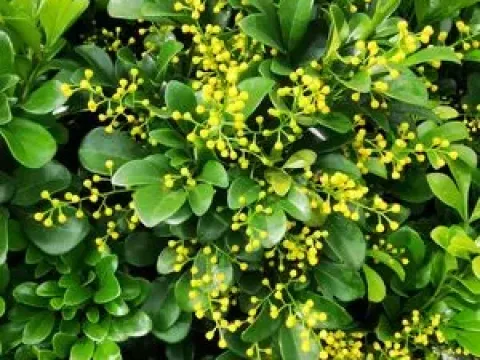
Aglaia
Aglaia
Aglaia is a diverse genus of evergreen trees and shrubs belonging to the Meliaceae family. These plants are native to the tropical and subtropical regions of Southeast Asia, Northern Australia, and the Pacific Islands, where they thrive in lush forest environments.
What the section contains
 Aglaia apiocarpa
Aglaia apiocarpa
Aglaia apiocarpa
 Aglaia argentea
Aglaia argentea
Aglaia argentea
 Aglaia cucullata
Aglaia cucullata
Aglaia cucullata
 Aglaia elaeagnoidea
Aglaia elaeagnoidea
Aglaia elaeagnoidea
 Aglaia lawii
Aglaia leptantha
Aglaia leptantha
Aglaia lawii
Aglaia lawii
Aglaia leptantha
Aglaia leptantha
 Aglaia odorata
Aglaia odorata
Aglaia odorata
 Aglaia odoratissima
Aglaia rubiginosa
Aglaia rubiginosa
Aglaia rufinervis
Aglaia rufinervis
Aglaia odoratissima
Aglaia odoratissima
Aglaia rubiginosa
Aglaia rubiginosa
Aglaia rufinervis
Aglaia rufinervis
 Aglaia sapindina
Aglaia sapindina
Aglaia sapindina
 Aglaia silvestris
Aglaia silvestris
Aglaia silvestris
 Aglaia spectabilis
Aglaia spectabilis
Aglaia spectabilis
 Aglaia tomentosa
Aglaia tomentosa
Aglaia tomentosa
Aglaia
The cultivation of Aglaia requires strict adherence to environmental parameters, focusing on high humidity levels and constant ambient temperatures ranging between 20°C and 28°C. Being understory plants in nature, they prefer filtered light rather than direct, harsh exposure.
Regarding soil requirements, Aglaia necessitates a well-draining, nutrient-rich substrate. It is highly intolerant of waterlogged conditions, which can lead to rapid root decay; therefore, a porous growing medium with excellent drainage properties is essential for success.
Standard agrotechnical practices include consistent watering during the growing season and periodic fertilization to support foliage density. Proper ventilation is vital to maintain health, especially when grown in containers or professional greenhouse settings.
The economic utility of the genus is notable in various industries. Beyond their ornamental value in landscapes and indoor collections, certain species are valued for their intensely fragrant flowers, used in the perfume industry and for scenting traditional tea blends.
Aglaia plants are susceptible to common tropical pests, most notably mealybugs, scale insects, and spider mites. These pests typically congregate on the undersides of leaves or along stems, draining plant sap and causing stunted growth if not managed.
Fungal issues, such as leaf spot or root rot, are often secondary problems resulting from excessive moisture or poor airflow. Maintaining a balanced environment, including proactive pest monitoring and proper sanitation, is the primary defense against such threats.