
Slender-leaf false foxglove
Agalinis tenuifolia
Description
Growing requirements
Agalinis tenuifolia, commonly known as slender-leaf false foxglove, is an annual hemiparasitic plant belonging to the Orobanchaceae family. Unlike obligate parasites, it possesses chlorophyll and performs photosynthesis, yet supplements its nutritional needs by attaching to the roots of other plants.
Native to North America, this plant is typically found in moist prairies, meadows, and open woodland edges. It thrives in regions with temperate climates where moisture levels remain consistent throughout the growing season, preventing the plant from dehydrating during hot spells.
Regarding soil requirements, Agalinis tenuifolia prefers well-drained, nutrient-moderate substrates. While it can adapt to various soil types, including sandy loams, the presence of suitable host species is essential for the plant to achieve its full growth potential and reproductive success.
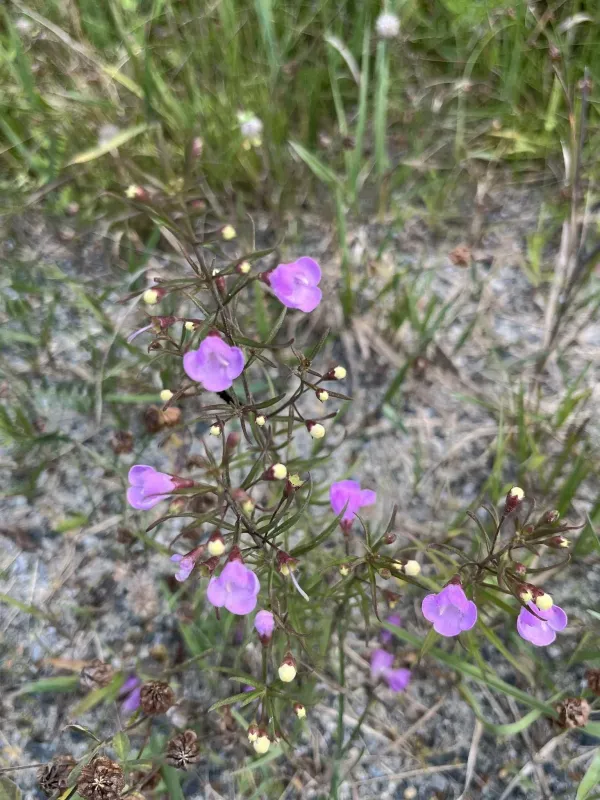
The botanical structure is characterized by very thin, linear, opposite leaves and bell-shaped, pink-to-purple flowers. The plant generally reaches a height of 20 to 60 centimeters, often appearing delicate but proving to be highly resilient in its native habitat settings.
In terms of land use and agronomy, this species is primarily valued for its ecological contribution rather than agricultural production. It acts as a vital component of grassland biodiversity, supporting native pollinator populations and maintaining the health of semi-natural ecosystems.
Main diseases and pests
The primary threats to Agalinis tenuifolia include the loss of habitat due to land conversion and the reduction of suitable host species in the field. Since it relies on root attachments, landscape alterations that remove native flora can indirectly lead to the decline of this plant.
Furthermore, the intensive use of broad-spectrum herbicides in surrounding agricultural landscapes poses a significant risk. As a delicate flowering plant, it is also subject to environmental stress if drainage patterns are disrupted or if the surrounding vegetation becomes too dense, depriving it of essential sunlight.