
Agalinis heterophylla
Agalinis heterophylla
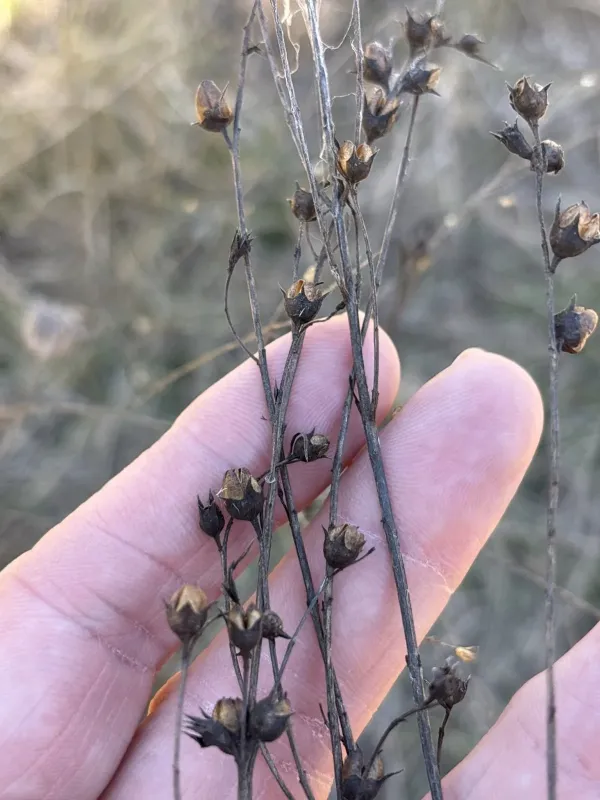
Description
Growing requirements
Agalinis heterophylla, a member of the Orobanchaceae family, is a distinct hemiparasitic herb. Unlike fully parasitic species, this plant performs photosynthesis, yet it heavily relies on haustorial connections with the roots of host plants to supplement its supply of water and nutrients.
Originating from North America, this species is typically found in native prairies, moist grasslands, and along roadside ditches. Its habitat is defined by the availability of specific host plant species, which are essential for the establishment of its root system during the early stages of development.
Botanically, the plant is recognized by its slender, often branching stems and linear leaves. During the blooming season, it produces showy, funnel-shaped flowers that range in color from light lavender to deep pink. These features are critical for its reproductive success in diverse ecological landscapes.
Soil requirements for Agalinis heterophylla include well-drained, nutrient-rich substrates that support the growth of both the hemiparasite and its potential hosts. Proper soil moisture is essential, as dry conditions can inhibit the formation of haustoria, limiting the plant's capacity to absorb critical minerals.
Climate conditions play a vital role in the distribution and growth of this culture. The plant thrives in temperate climates with high solar radiation. Since it functions as a hemiparasite, its development is significantly affected by the physiological health of the host vegetation surrounding it.
Main diseases and pests
Common threats to Agalinis heterophylla include fungal infections such as Rhizoctonia, which specifically target the root zone where the haustorial attachments are most concentrated. Once these connections are compromised, the plant loses its secondary source of nutrients and quickly declines.
Insect pests such as leafhoppers and aphids are frequently observed on the foliage. These pests cause systemic damage by extracting plant sap and potentially transmitting viral pathogens, which can be devastating for the plant's structural integrity and its interaction with host roots.