
Agalinis linifolia
Agalinis linifolia
Description
Growing requirements
Agalinis linifolia, commonly known as the flax-leaf gerardia, is a perennial herb belonging to the Orobanchaceae family. This species is known for its hemiparasitic nature, drawing nutrients from the roots of host plants.
The plant originates from the southeastern United States, where it occupies highly specific niches. Its primary habitats include moist pine savannas, boggy meadows, and wetlands with sandy soil profiles.
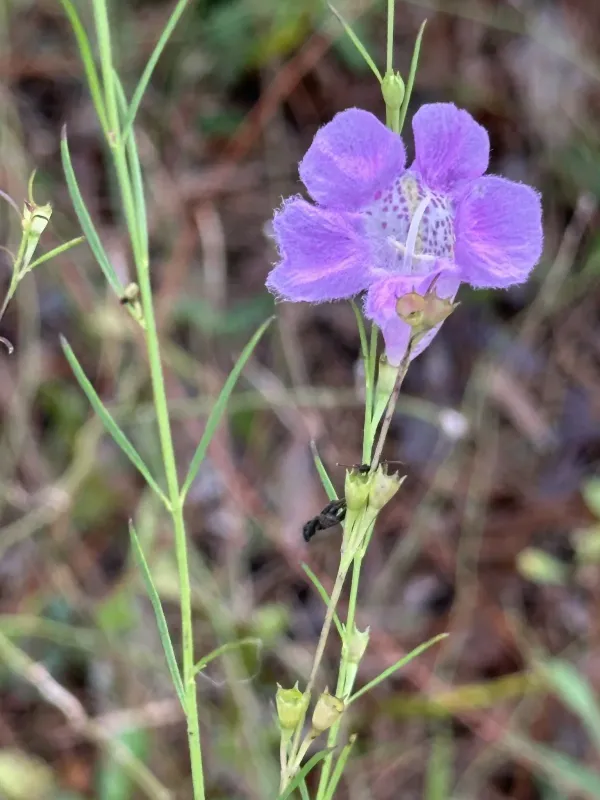
Botanical traits include slender, linear leaves that resemble flax, which provides the inspiration for its scientific name. The plant produces delicate pink to lavender flowers that are essential for attracting specific pollinators.
Growth requirements are strictly dictated by local hydrology. The species thrives only in soils that remain consistently moist throughout the growing season but are not submerged, requiring high light intensity.
Agro-economically, Agalinis linifolia has no industrial or commercial use. Its cultivation is limited to botanical research and conservation programs aimed at restoring endangered ecosystems where it naturally occurs.
Main diseases and pests
The main threats to this species include loss of habitat due to drainage projects and large-scale agricultural conversion. The suppression of natural fire regimes also negatively impacts the population density.
There are no documented major pests or diseases in a commercial agricultural context because the plant is not grown as a crop. Vulnerability is primarily environmental rather than related to biological pathogens.