
Agalinis microphylla
Agalinis microphylla
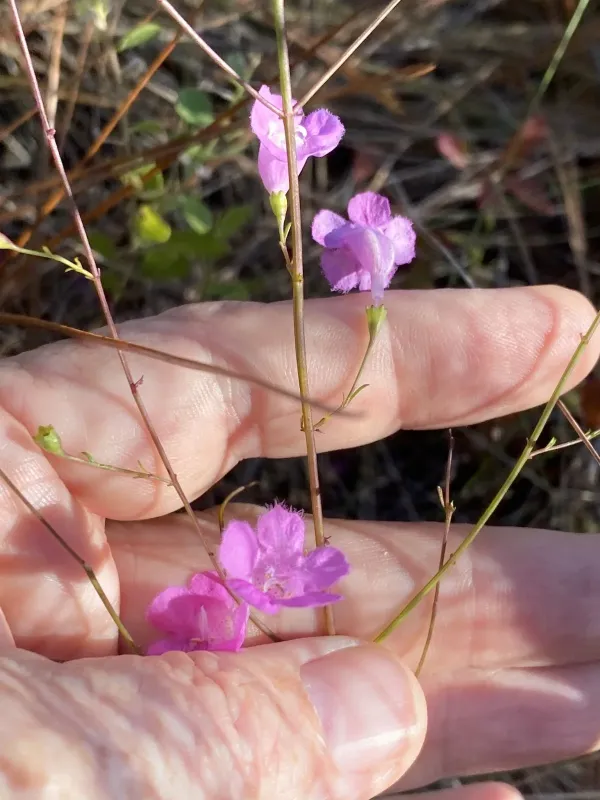
Description
Sowing dates
Agalinis microphylla is a member of the Orobanchaceae family, recognized for its hemiparasitic nature. Cultivating this species requires a deep understanding of its biological necessity to form haustorial connections with a host plant.
Seeds are typically sown in early spring following a period of cold stratification. This timing ensures that the host plant is sufficiently established to support the developing parasite.
The sowing method involves placing the seeds near the root zone of a chosen host species. Because the seeds are tiny, they should be lightly covered with a thin layer of substrate to prevent washing away during irrigation.
Successful germination relies on the chemical cues released by the roots of the host plant. Without these signals, the seeds of Agalinis microphylla will remain dormant or fail to thrive after initial germination.
In research environments, container cultivation is preferred to ensure that the roots of the parasite can easily locate and attach to the roots of the host.
Growing requirements
The species prefers well-drained, sandy soils that mimic the natural nutrient-poor environments where it is typically found in the wild.
Full sun exposure is essential for the plant to meet its energy demands. Shade will significantly limit the growth rate and flowering success of this species.
Maintaining a stable pH in the soil is vital. A slightly acidic environment is generally considered optimal for the physiological processes involved in nutrient uptake from the host.
Temperature management should prioritize moderate, stable conditions. Excessive fluctuations can cause stress, leading to the detachment of the haustoria from the host roots.
Watering practices must be precise. The soil should remain consistently moist but never saturated, as root hypoxia is a common cause of failure in cultivation.
Main diseases and pests
Root pathogens are the primary concern in the cultivation of Agalinis microphylla. Fungal infections thrive in poorly drained media and can destroy the connection to the host.
Pests such as aphids and mites may damage the foliage, reducing the plant's overall vigor and ability to support its parasitic lifestyle.
Environmental stress, such as unseasonal heatwaves, can cause rapid dehydration, as the plant depends heavily on the water transport efficiency of its host.
Incompatible host plants can lead to nutritional deficiencies. If the host plant is unhealthy, the Agalinis will experience stunted growth and eventually die.
Integrated pest management is recommended, focusing on the health of the entire plant system rather than treating the parasite in isolation.
Harvesting
Harvesting Agalinis microphylla for research or seed collection requires careful timing to ensure the maturity of the capsules.
Seeds should be collected as soon as the capsules begin to dry out, typically in late summer or early autumn, to prevent premature dispersal.
The harvesting process must be manual, given the delicate nature of the stems and the need to preserve the viability of the seed material.
Cleanliness during the harvesting phase is important to avoid the contamination of seeds with soil-borne pathogens that could affect future planting cycles.
After collection, seeds should be stored in a cool, dry place to maintain their germination potential until the next sowing season.