
Saltmarsh false foxglove
Agalinis maritima
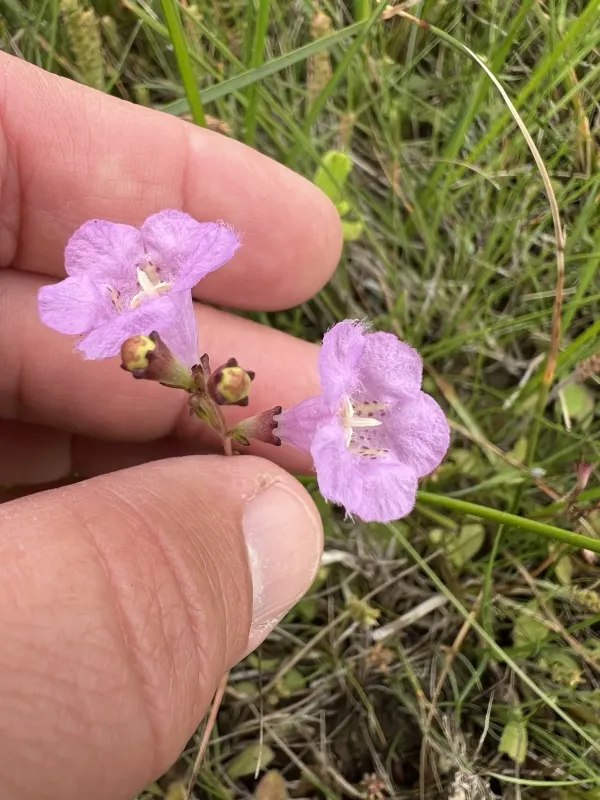
Description
Growing requirements
Agalinis maritima, commonly known as saltmarsh false foxglove, belongs to the Scrophulariaceae family. It is an annual hemiparasitic herb that derives nutrients from the roots of neighboring plants, which is a key biological adaptation for its survival in nutrient-poor environments.
This species is native to the coastal regions and salt marshes of North America. It has evolved to thrive in high-salinity soil conditions where other common crops would fail due to osmotic stress and toxicity issues.
The plant requires high light intensity and consistently moist, saline-tolerant substrates to reach its full vegetative potential. It is ecologically specialized for marshy environments where competition for resources is mitigated by environmental harshness.
Agronomic management of Agalinis maritima focuses on maintaining soil salinity levels that support the plant while ensuring that host plants are present for parasitic interaction. Its cultivation is currently experimental rather than widespread.
Climate preferences include temperate to subtropical conditions. The plant is sensitive to early frost and thrives during the peak of summer, requiring moderate humidity to prevent desiccation during its flowering phase.
Main diseases and pests
Fungal pathogens associated with waterlogged conditions pose the greatest threat to Agalinis maritima. Root rot is a common outcome when the drainage is insufficient, leading to rapid plant decline.
Pests such as aphids are frequently observed colonizing the floral and apical parts of the plant. These insects sap essential fluids, which can stunt the growth and reduce the overall vigor of the annual cycle.
Nematodes represent a significant soil-borne threat that affects the health of the roots. Because the plant relies on hemiparasitism, any damage to the root system is particularly detrimental to its nutrient acquisition process.
Environmental factors like sudden freshwater flooding can alter the soil composition enough to cause a physiological shock. This makes the plant temporarily more susceptible to secondary infections and opportunistic pests.
Monitoring for signs of chlorosis or leaf spot is essential for successful maintenance. Integrated pest management strategies must be carefully calibrated to avoid harming the plant's delicate symbiotic or parasitic balance.