
Actinidia trichogyna
Actinidia trichogyna
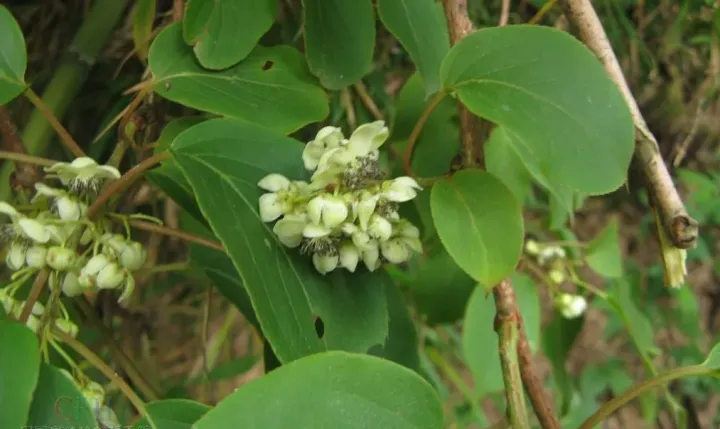
Description
Growing requirements
Actinidia trichogyna is a deciduous woody vine belonging to the Actinidiaceae family. It is recognized for its ornamental leaves and edible fruits, making it a valuable addition to specialized orchards or private gardens.
Originating from temperate regions of East Asia, this plant thrives in environments that mimic forest edges. It prefers dappled sunlight and protection from harsh, dry winds that can cause dehydration of the delicate foliage.
The ideal soil for this species is nutrient-rich, humus-heavy, and well-draining. While it appreciates constant moisture, it is sensitive to waterlogged conditions, requiring careful site selection and soil amendments to ensure proper root health.
Cultivation practices require sturdy vertical supports, such as trellises or pergola systems. Because the vines can grow quite vigorously, regular pruning is essential to manage the canopy density and promote healthy air circulation throughout the plant structure.
Regarding climate, the plant requires a sufficiently long growing season to allow fruit maturation. While mature specimens demonstrate moderate hardiness, cold protection during the first few years is strongly recommended to prevent winter damage to dormant buds.
Main diseases and pests
Fungal diseases, particularly leaf spot and anthracnose, are common challenges for Actinidia trichogyna. These diseases are most prevalent during periods of prolonged rainfall or when the canopy is too dense, preventing leaves from drying out quickly.
Root rot caused by Phytophthora or Pythium species is a severe threat when drainage is inadequate. Managing water supply and avoiding over-irrigation during cool, cloudy periods is the most effective preventative measure against these soil-borne pathogens.
Insect pests such as leafrollers and mites can occasionally cause damage to the photosynthetic surface. Integrated pest management strategies, including the use of horticultural oils and maintaining healthy soil biology, are preferred over broad-spectrum chemicals.
Small mammals and local cats are a notable concern; they are often attracted to the scent of the vine's tissues, which may lead to physical destruction of young stems. Physical barriers like wire cages are standard for protecting new plantings.
To keep the plants vigorous, annual pruning and nutrient management are necessary. By removing dead wood and promoting fresh, disease-free growth, gardeners can significantly increase the plant's resistance to both environmental stress and pest pressure.