
Actinidia hybrids
Actinidia hybrids
Description
Sowing dates
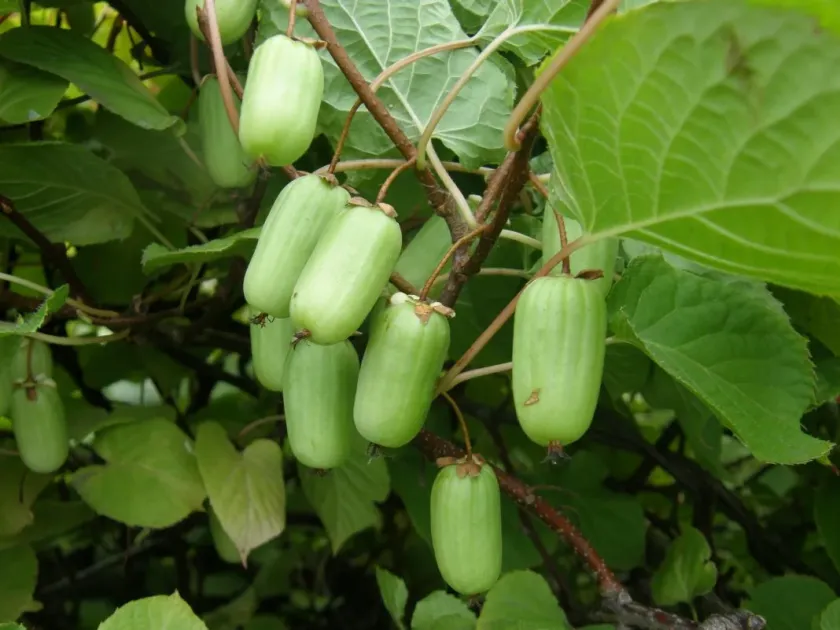
Actinidia hybrids are perennial deciduous woody vines belonging to the Actinidiaceae family. Unlike common commercial kiwifruit species, these hybrids are often bred for increased cold hardiness and environmental adaptability, making them suitable for growth in temperate climate zones.
Propagation is typically achieved through vegetative methods such as softwood or hardwood cuttings. This ensures that the progeny maintain the specific desirable traits of the parent hybrids, including flavor profile, vitamin content, and resistance to regional pests or climate stressors.
Planting should be carried out in early spring after the danger of severe frost has passed. Selecting an appropriate site is crucial; the soil must be well-drained, as actinidia root systems are highly susceptible to waterlogging and rot if the soil remains excessively wet for long periods.
Most actinidia hybrids are dioecious, meaning male and female flowers are borne on separate plants. Successful fruit production requires the strategic placement of both male pollinators and female vines, typically in a ratio that ensures thorough pollination by insects during the bloom period.
The cultivation of these vines requires robust trellis systems. As the plants grow, they need consistent support and direction, which not only facilitates harvesting but also improves air circulation and sunlight penetration throughout the canopy, preventing fungal diseases and promoting better fruit set.
Growing requirements
These hybrids thrive in sunny locations that are protected from strong, drying winds. While they enjoy direct light, young vines benefit from partial shade during their first few growing seasons to protect them from heat stress. They prefer fertile, loamy soils with a slightly acidic pH between 5.0 and 6.5.
Consistent moisture is the cornerstone of successful actinidia cultivation. Regular irrigation during dry spells is necessary to maintain vigor. Mulching the base of the vines with organic matter helps retain soil moisture, stabilizes soil temperature, and suppresses weed growth around the delicate surface roots.
Pruning is an essential maintenance task. A combination of summer pruning to manage vegetative growth and dormant-season pruning to structure the vine is required. Removing dead or unproductive wood keeps the plant energized and ensures that the plant's resources are channeled into fruit production.
Fertilization regimes should prioritize nitrogen in early spring to encourage vegetative growth, followed by potassium and phosphorus applications in mid-summer to promote fruit development and wood hardening for winter survival. Avoid chlorine-based fertilizers, as the plants are sensitive to these minerals.
Hardy actinidia hybrids are known for their ability to withstand temperatures down to -30°C. However, young plants benefit from winter protection in their first few years, which can be accomplished by wrapping the vines or shielding them from harsh, freezing winds and drastic temperature fluctuations.
Yield
Actinidia hybrids typically begin to bear fruit between 3 and 5 years after planting. As the vine matures, its yield increases significantly. A healthy, well-maintained vine can remain productive for several decades, making it a long-term investment for any orchard or garden.
The yield per mature plant depends on the cultivar and the quality of care, often ranging from 10 to 30 kilograms of fruit per vine. Commercial plantations utilizing efficient canopy management and optimal nutrition can produce substantial harvests that are highly valued for their nutritional benefits.
The berries of hybrid actinidia are often smaller than traditional grocery-store kiwi but are packed with intense flavor and significantly higher vitamin C concentrations. They are excellent for fresh consumption, as well as for various culinary uses, including preserves, drying, and frozen snacks.
Maximum yield depends heavily on successful pollination. The presence of honeybees and bumblebees during the flowering window is critical. Avoiding any pesticide use while the vines are in bloom is essential to protect these beneficial pollinators and ensure a high fruit set percentage.
Maintaining the correct canopy density is vital for yield quality. Overcrowded vines tend to produce smaller, less sweet fruit due to competition for light. Regular thinning and strategic pruning are the primary tools for ensuring that every fruit cluster receives the energy it needs to develop fully.
Main diseases and pests
One of the primary benefits of actinidia hybrids is their relatively low susceptibility to disease. However, in overly humid or stagnant air conditions, they can fall victim to leaf spots or powdery mildew. Good cultural practices, such as proper spacing and pruning, are usually sufficient for control.
A unique threat to young actinidia vines is domestic or feral cats, which are highly attracted to the scent of the wood and can destroy young plants by scratching or chewing. Using protective mesh or tree guards during the first two to three years is a standard practice for many growers.
Insects like leaf rollers and various caterpillars can occasionally feed on the foliage. Integrated Pest Management (IPM) strategies, which prioritize biological controls such as encouraging predatory insects or using bio-rational sprays, are preferred over broad-spectrum insecticides for the health of the orchard.
Physiological disorders such as chlorosis may occur if the soil pH is not properly managed. When the soil is too alkaline, the plant cannot absorb essential iron, leading to yellowing leaves. Regular soil testing and, if necessary, the application of iron chelates can quickly rectify this issue.
Maintaining a clean garden environment is the best prevention against plant pathogens. Removing and destroying fallen infected leaves in the autumn prevents fungal spores from overwintering. Vigilance in monitoring the vines for any signs of stress keeps the cultivation successful and productive.
Harvesting
Harvesting requires careful attention to fruit maturity. Fruits are often picked at the firm-ripe stage, just as they begin to soften or show characteristic color changes. This prevents bruising and allows for safer handling and longer storage potential during the post-harvest process.
Because these fruits can continue to ripen off the vine, growers often stagger the harvest based on the desired use. Fruits picked slightly under-ripe can be ripened in cool, dark environments, which allows for a longer consumption window compared to harvesting all fruit at once.
Post-harvest storage should ideally occur in cold, high-humidity conditions. Maintaining temperatures between +2°C and +5°C significantly extends the shelf life of the berries, allowing them to remain fresh and delicious for several weeks, or even longer depending on the specific hybrid cultivar.
For processing purposes, such as making jams or fruit leathers, the fruit can be harvested in one or two passes. Care must be taken not to damage the fruiting spurs on the vine, as these structures are vital for the development of the following year's crop.
After the final harvest, preparing the plant for the upcoming winter is a priority. This involves a final deep watering if autumn rainfall is insufficient and ensuring that the base of the plant is protected with organic mulch to help the vine recover its energy for the next growing season.