
Golden-flowered actinidia
Actinidia chrysantha
Description
Growing requirements
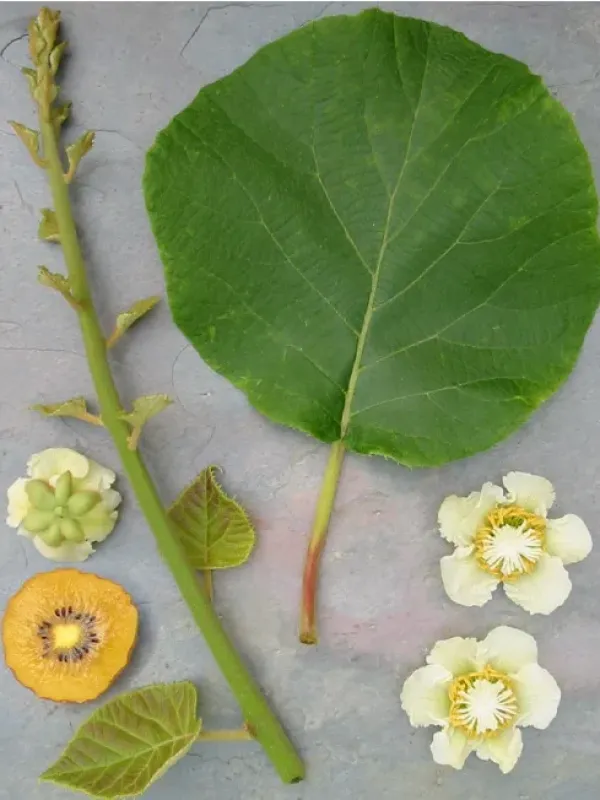
The golden-flowered actinidia (Actinidia chrysantha) belongs to the Actinidiaceae family. It is a vigorous woody vine native to the mountain forests of China, where it thrives in cool, moist, and shaded environments rich in organic matter.
To cultivate this species successfully, it is crucial to select a site protected from harsh winds and intense mid-day sun. The plant performs best in locations that provide dappled light and high atmospheric humidity throughout the growing season.
The soil must be fertile, well-drained, and slightly acidic to neutral. Waterlogging is detrimental to the root system, which requires high oxygen levels, so creating a drainage layer in heavy soils is a standard horticultural practice for this species.
Proper care involves regular mulching with compost or leaf mold to maintain moisture and suppress weed growth. During dry spells, supplemental irrigation is necessary to prevent wilting and stress, especially in younger vines establishing their root systems.
As a climbing plant, Actinidia chrysantha requires sturdy support structures such as trellises, arbors, or wires. These supports allow the plant to achieve its vertical growth habit and ensure adequate air circulation around the foliage for healthy development.
Yield
The primary horticultural interest in the golden-flowered actinidia lies in its ornamental value. Its beautiful yellow flowers and lush, green foliage make it an excellent choice for greening walls, pergolas, and garden dividers.
The fruits of this species are edible and possess potential health benefits due to their vitamin content. Although they are not as commercially widespread as other kiwi species, they contribute to the diversity of home garden fruit production.
Productivity is highly dependent on the presence of both male and female plants in the garden, as actinidias are dioecious. A common practice is to plant one male vine for every group of female plants to ensure successful cross-pollination by insects.
Pruning is essential for maximizing yield and maintaining the plant's vigor. Strategic removal of older, unproductive wood encourages new growth, which carries the floral buds for the following year and keeps the vine manageable.
Harvesting should be timed carefully as the fruits reach maturity. Since they tend to soften rapidly once ripe, regular inspections during the harvest period are necessary to ensure the fruit is picked at the peak of its quality.
Main diseases and pests
The most common pests affecting Actinidia chrysantha include aphids and certain leaf-eating insects. Monitoring the undersides of leaves during the spring growth phase allows for early detection and intervention if pest populations reach damaging levels.
Fungal diseases are a risk in areas with high humidity and poor ventilation. Keeping the canopy pruned and ensuring sufficient distance between plants helps to reduce moisture accumulation and the subsequent spread of pathogenic fungi.
Young plants are highly susceptible to damage from domestic animals, particularly cats, which are attracted to the scent of the vines. Protecting new shoots with mesh or wire guards is recommended until the vines become established and woody.
Winter injury can occur in colder climates, where freezing temperatures may damage the growing tips. In such regions, providing a protective cover or ensuring the plant is in a sheltered microclimate can prevent dieback of the tender branches.
Nutrient deficiencies, specifically chlorosis, can be addressed through the application of chelated iron supplements or balanced organic fertilizers. Periodic soil testing ensures that the plant's nutritional needs are met throughout the vegetative cycle.