
Actinidia holotricha
Actinidia holotricha
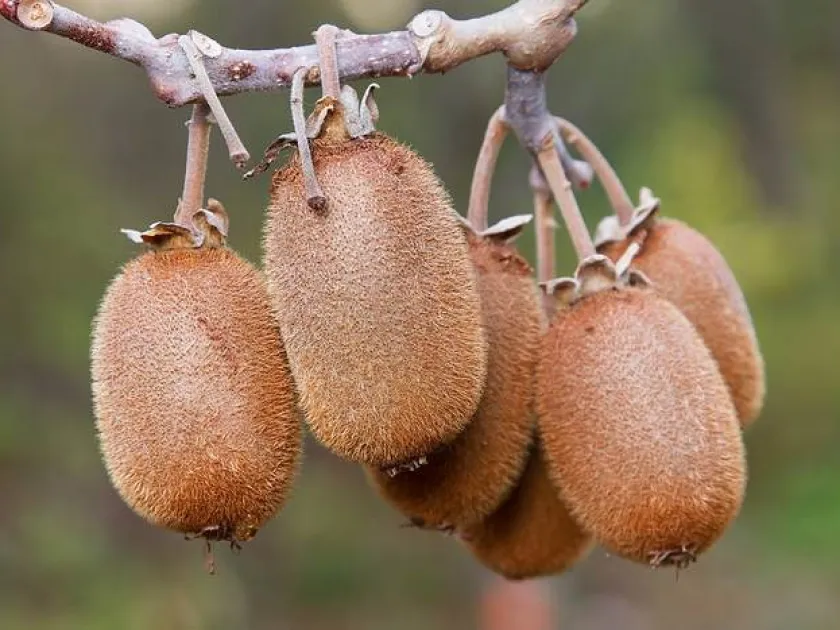
Description
Sowing dates
Planting Actinidia holotricha is best performed in early spring, once the threat of frost has passed and the soil has sufficiently warmed up. Fall planting is also an option in regions with mild winters, provided the plant is established well before the first freeze.
Propagation is commonly achieved through hardwood cuttings or layering, which ensures the genetic traits of the parent plant are preserved. Seeds can be used, but require stratification and have a slower growth rate in the initial stages.
Selecting a suitable site is crucial; this species prefers a sheltered position with partial shade or dappled sunlight. Providing a sturdy trellis or support system is essential as the vine can grow quite vigorously.
When preparing the site, ensure the planting hole is deep and wide enough to accommodate the root ball. Adding well-rotted organic matter into the soil helps improve fertility and moisture retention.
Spacing between plants should be at least two to three meters. This distance prevents overcrowding and allows for optimal light exposure and airflow, which are vital for healthy vine development.
Growing requirements
Actinidia holotricha is a species of woody vine in the Actinidiaceae family. It is naturally adapted to forest environments, characterized by consistent moisture and nutrient-rich, well-draining soils.
The plant thrives in soil with a slightly acidic to neutral pH level. It is highly sensitive to waterlogged conditions, so ensuring excellent drainage in the planting area is a top priority for successful cultivation.
As a dioecious species, both male and female plants are required for fruit production. Maintaining a proper ratio of male to female vines within the garden plot is essential for effective pollination.
Regular irrigation is necessary, especially during the dry summer months. Mulching the base of the vine helps keep the root system cool and maintains an even soil moisture level throughout the growing season.
Annual pruning is necessary to control the size of the vine and encourage the production of fruiting spurs. Pruning should be done during the dormant period to avoid excessive sap bleeding.
Main diseases and pests
Young plants are particularly vulnerable to domestic animals, especially cats, who are attracted to the scent of the foliage. Protecting the stems with wire mesh or netting is highly recommended until the plant is established.
Insect pests, such as leaf-eating beetles and aphids, can cause damage to the leaves. Regular monitoring and the use of environmentally friendly insecticidal soaps can help manage these populations effectively.
Fungal diseases like powdery mildew may appear if the plant is grown in areas with poor ventilation. Ensuring the canopy is well-spaced and pruning away dead wood helps prevent these outbreaks.
Nutrient deficiencies, while rare in well-maintained soil, can lead to yellowing leaves. Providing a balanced, organic fertilizer in early spring supports the plant's overall vigor and resistance to pathogens.
Early identification of pest or disease symptoms is key. A healthy vine is generally resilient, but maintaining proper soil health and adequate spacing is the best defense against long-term problems.
Harvesting
Harvesting usually occurs in late summer or early autumn, as the fruits ripen. The berries should be harvested gently once they have reached their characteristic size and become slightly soft to the touch.
Since the fruits have thin, delicate skin, they should be handled with care during harvest to avoid bruising. Placing them in shallow containers allows for better air circulation and prevents spoilage.
Fresh fruit has a short shelf life and should be consumed or processed quickly. Refrigeration at near-zero temperatures can prolong the period during which the fruits remain in good condition.
The fruits are highly versatile and can be eaten raw, or processed into jams, jellies, and desserts. They are prized for their unique flavor profile and nutritional content, particularly high levels of vitamins.
Proper harvest techniques, including using sharp shears to cut fruit stalks, ensure that the plant is not damaged, allowing it to continue producing a bountiful harvest in subsequent years.