
Broad-leaved actinidia
Actinidia latifolia
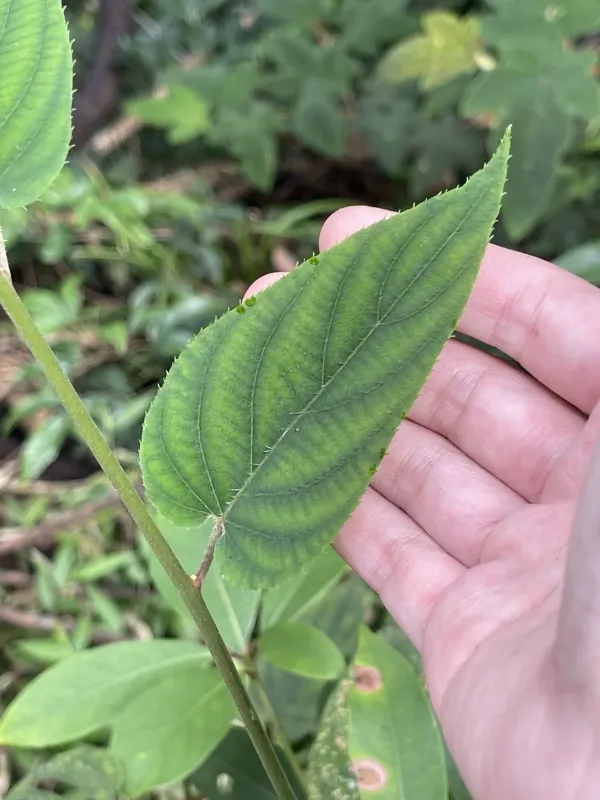
Description
Growing requirements
Actinidia latifolia, known as the broad-leaved actinidia, is a robust woody vine belonging to the Actinidiaceae family. It is a perennial plant characterized by vigorous vegetative growth and climbing habits that require structured support systems.
Originating from the subtropical regions of Southeast Asia, particularly China, this species thrives in humid forest environments. It is well-adapted to warm temperatures and requires consistent moisture throughout the growing season.
The crop requires fertile, well-draining soil with a pH ranging from slightly acidic to neutral. High organic matter content is essential for supporting the rapid development of the root system and the extensive canopy.
Climatic requirements are specific to subtropical conditions; the plant is sensitive to severe frost and requires protection in cooler zones. It prefers shaded or semi-shaded locations to avoid direct sun scorch on the leaves.
Agrotechnical management primarily involves the installation of sturdy trellises. Proper pruning is necessary to maintain the plant’s health, ensure adequate airflow, and prevent the vine from becoming overly tangled, which facilitates easier maintenance.
Yield
The economic value of Actinidia latifolia is centered on its edible fruits, which contain high levels of vitamins and minerals. The harvest period typically follows the flowering cycle, with fruits maturing gradually on the vine.
Yield productivity is significantly influenced by the level of maintenance provided, specifically irrigation and nutrient application. Balanced fertilizers are used to promote flowering and fruit set in mature vines.
Harvesting requires careful handling due to the delicate skin of the berries. Collectors often perform selective harvesting to ensure that only fully mature fruits are picked, which optimizes the quality of the final product.
The culinary applications of the fruit include fresh consumption and processing into preserves, jams, and other artisanal foods. Its distinct flavor profile makes it a desirable crop for boutique horticultural markets.
To sustain yield performance over years, regular rejuvenation pruning is recommended to remove unproductive branches and encourage the growth of new, fruit-bearing wood.
Main diseases and pests
The most significant threat to Actinidia latifolia is waterlogging, which often leads to root rot. Ensuring efficient drainage is the foundational step in mitigating most soil-borne disease risks.
Pest management focuses on controlling common vine insects such as spider mites and scale insects. These pests feed on sap, weakening the plant and reducing its overall vigor during stressful growing conditions.
Fungal leaf spot diseases may appear in environments with poor air circulation or excessive humidity. Preventive pruning and avoiding overhead irrigation can significantly lower the risk of such outbreaks.
Integrated pest management (IPM) strategies, including the use of beneficial insects and careful monitoring, are preferred over heavy chemical interventions to maintain the safety of the fruit for human consumption.
Constant monitoring of the canopy and root zone health is essential for preventing major losses and ensuring that the vines remain productive for their entire natural lifespan.