
Actinidia callosa
Actinidia callosa
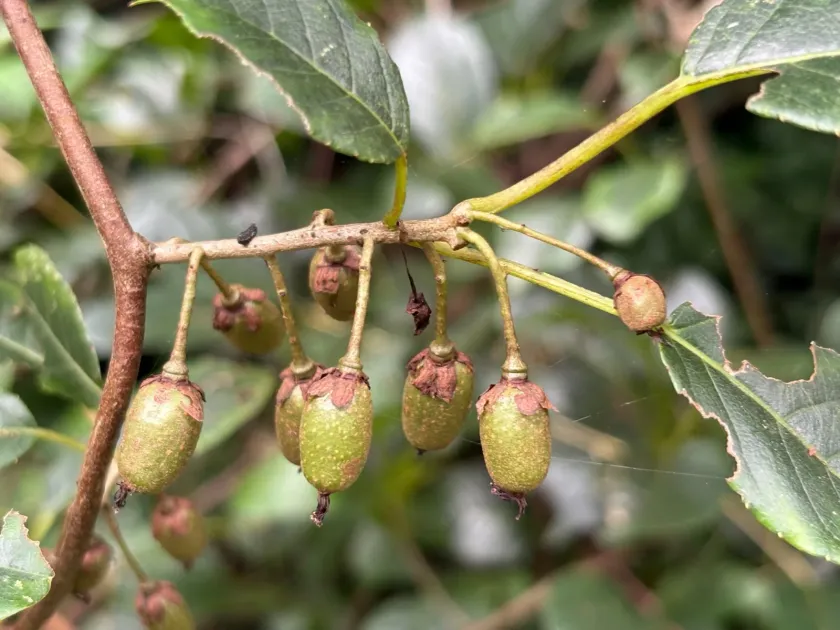
Description
Growing requirements
Actinidia callosa is a vigorous, woody vine belonging to the Actinidiaceae family. Native to the mountainous regions of the Himalayas and East Asia, it thrives in shaded, cool, and humid environments similar to temperate rainforest conditions.
The plant requires a specific climate to flourish, preferring regions with mild temperatures and high atmospheric humidity. It is particularly sensitive to extreme sun exposure in its juvenile phase and benefits from sheltered planting sites.
Soil requirements for this species are strict: it demands deep, well-draining, nutrient-rich soil with a slightly acidic to neutral pH. Excessive moisture around the roots is a common cause of failure in domestic cultivation attempts.
Cultivation practices involve the use of strong trellises or pergola systems. Because Actinidia callosa is a climbing vine, managing its growth through structural support and pruning is essential to prevent tangled thickets and ensure air circulation.
Economically, the species is recognized for its potential as a specialty fruit crop. While not as commercially widespread as the kiwi fruit, it serves as a valuable resource for genetic diversity and ornamental landscaping in botanical gardens.
Main diseases and pests
The primary threat to young Actinidia callosa plants is soil-dwelling larvae, such as those of the June beetle, which can severely damage the root network if left uncontrolled.
Fungal pathogens causing leaf spot diseases are common in areas with stagnant air. Maintaining proper spacing and pruning significantly reduces the risk of these infections during humid summer months.
Aphids and leaf rollers are the most frequent insect pests, often colonizing the soft, tender shoots of the plant during the spring flush of growth.
Root rot, driven by waterlogged soil conditions, represents a major physiological threat. Proper drainage and careful irrigation management are the most effective preventive measures.
Integrated pest management strategies should focus on maintaining plant vigor through balanced nutrition and minimizing chemical use to protect beneficial garden biodiversity.