
Actinidia tetramera
Actinidia tetramera
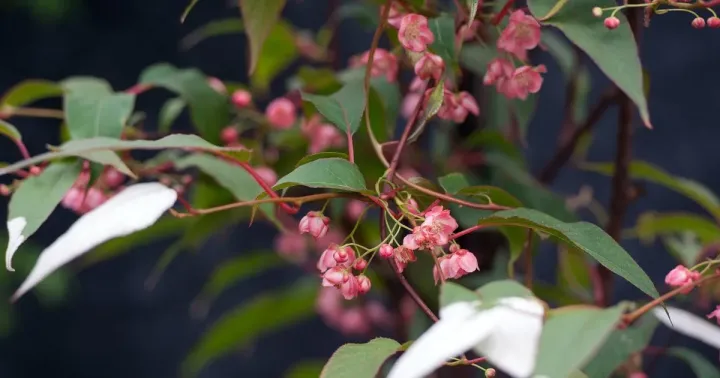
Description
Growing requirements
Actinidia tetramera is a perennial deciduous vine belonging to the Actinidiaceae family. It is native to the mountainous regions of China, thriving in temperate forest habitats where the microclimate provides sufficient humidity.
This species is dioecious, meaning that gardeners must plant both male and female vines in close proximity to ensure successful pollination and fruit production. The plant is prized for its vigorous climbing habit and large, attractive leaves.
Cultivation requires fertile, well-draining soil with a pH ranging from slightly acidic to neutral. Drainage is critical; the root system is highly susceptible to rot if water remains stagnant for extended periods during the growing season.
The vine requires sturdy support structures such as trellises or pergolas to accommodate its rapid growth. It performs best in locations that offer dappled shade, protecting the foliage from intense midday heat while allowing enough light for photosynthesis.
Environmental conditions should mimic its natural forest-edge habitat. In regions with harsh winters, young specimens require mulch and burlap wraps to protect the stems from frost damage until the plant becomes fully established.
Main diseases and pests
Fungal diseases, including leaf spot and various rots, are common threats, especially in humid or poorly ventilated environments. Proper pruning to allow airflow is the primary defense strategy for maintaining plant health.
Pests such as aphids, mites, and leaf-eating caterpillars may infest the vine during the peak of the spring growth phase. Monitoring the undersides of the leaves is essential for early detection and manual removal or treatment.
Excessive nitrogen fertilization can lead to soft, succulent growth that is more attractive to insects and vulnerable to bacterial infections. A balanced nutritional program is vital for developing stronger plant tissues.
Integrated pest management, involving beneficial insects and organic fungicides, is recommended for long-term vine health. Avoid chemical interventions unless the infestation reaches a threshold that threatens the plant's survival.
In winter, rodent damage to the bark can be a significant problem. Protective mesh or trunk guards are effective measures to prevent small mammals from gnawing on the stems during periods of food scarcity.
Harvesting
The fruit of Actinidia tetramera is harvested when fully ripe, typically in late summer or early autumn. The berries are known for their nutritional density, particularly their high vitamin C content.
Timing the harvest is crucial, as the berries have a tendency to soften or fall from the vine once they reach peak maturity. Regular inspection during the harvest window ensures that the yield is collected at optimal quality.
After harvesting, the fruit benefits from a short period of ripening in a cool, dry place. This post-harvest conditioning stage enhances the sugar content and softens the texture, making the berries more palatable.
Beyond fresh consumption, the fruit is widely used for processing into jams, jellies, and desserts. The distinct flavor profile makes it a unique addition to specialty food markets and home kitchens alike.
Landscape utility remains a secondary yet significant use of this species. Its ability to cover large vertical surfaces with dense foliage provides not only privacy but also environmental benefits such as cooling and dust filtration.