
Actinidia strigosa
Actinidia strigosa
Description
Growing requirements
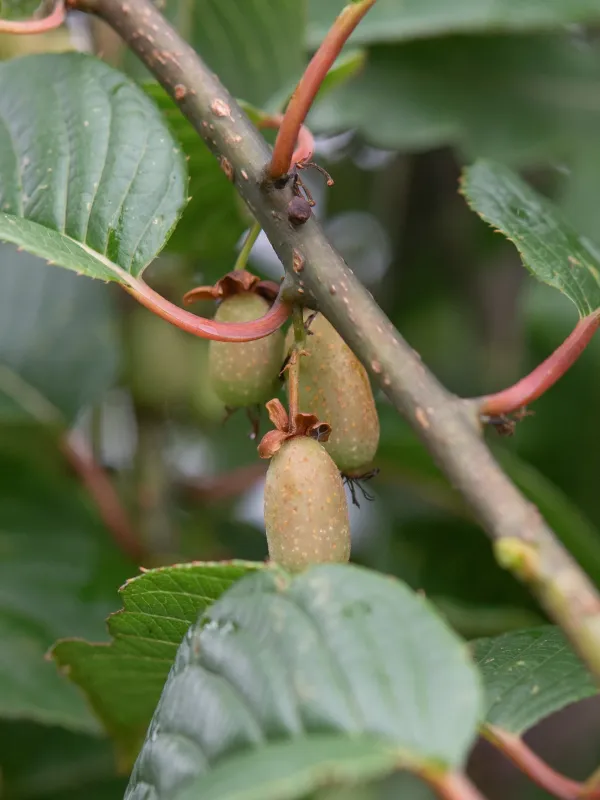
Actinidia strigosa is a perennial woody vine belonging to the Actinidiaceae family. It is distinguished from other members of the genus by the presence of stiff, dense hairs on its stems and leaves, which is a specific botanical feature that provides protection against certain environmental stresses in its native habitat.
The plant originates from the mountainous forests of East Asia. Its natural distribution suggests a preference for temperate, humid environments where the vine can climb through the forest canopy. In a garden setting, it requires similar conditions to thrive, specifically protection from harsh winds and intense, direct sunlight.
Soil requirements for Actinidia strigosa involve well-drained, nutrient-rich substrates with a slightly acidic to neutral pH level. The root system is sensitive to waterlogging, necessitating excellent drainage in the garden beds. Incorporating organic matter into the soil helps maintain the structure and moisture balance required for healthy growth.
Climate adaptation is a key factor, as the vine performs best in regions with distinct growing seasons and high humidity. It requires consistent watering, especially during the peak summer months, and protection during severe winter cold, particularly for young plants that are not yet fully established.
Cultural practices are centered around the use of sturdy support structures, such as trellises or pergolas. Pruning is essential to manage the vigor of the vine, prevent excessive shading, and improve fruit production by balancing the ratio of vegetative growth to reproductive shoots throughout the annual cycle.
Yield
The primary horticultural use of Actinidia strigosa is for its edible fruits. These fruits contain high concentrations of vitamin C and other antioxidants, making them a nutritious addition to the diet. While not widely grown on a mass industrial scale, the species is valued by fruit enthusiasts for its unique characteristics and hardiness.
Main diseases and pests
Typical threats include fungal pathogens such as powdery mildew or leaf spots, particularly in humid or stagnant air conditions. Furthermore, insects like aphids and mites may occasionally infest the young foliage. Maintaining good airflow and implementing regular sanitation pruning are the best practices for preventing these issues.