
Actinidia rudis
Actinidia rudis
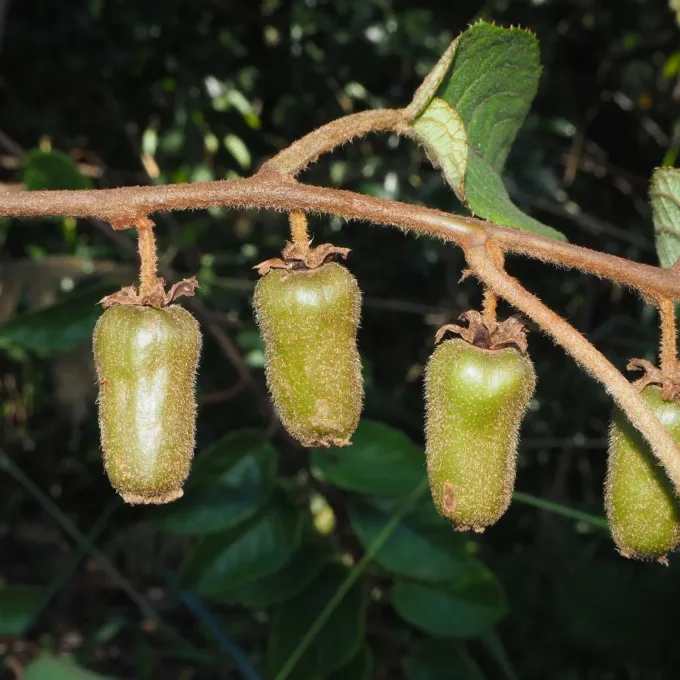
Description
Growing requirements
Actinidia rudis is a climbing woody vine belonging to the Actinidiaceae family. Native to the mountain forests of China, this species is closely related to better-known cultivars of kiwi fruit, sharing similar growth habits as a high-reaching climber.
The plant exhibits distinctive botanical traits, including textured stems and broad, alternate leaves. It requires a stable environment with moderate temperatures, avoiding extreme heat or severe frost, which can damage the tender annual shoots in the early spring.
Cultivation requires deep, loamy, well-draining soil that is slightly acidic. Because the root system is sensitive to waterlogging, site selection must prioritize areas where heavy rain does not form standing puddles near the main stem.
Effective agrotechnical management involves the installation of sturdy trellis systems or arbors. Actinidia rudis uses its vegetative vigor to cover vertical surfaces, and regular pruning is necessary to maintain a balance between foliage growth and fruit production.
Cultural practices include consistent mulching to maintain soil moisture and cool root temperatures. During the growing season, supplemental irrigation is vital to support the plant's metabolic processes and the development of its ornamental and edible components.
Main diseases and pests
Common botanical threats include fungal infections such as Botrytis, particularly in high-humidity climates. Proper airflow provided by thinning the canopy is the most effective management strategy to mitigate the risk of pathogen spread.
Insect pests such as leaf-rollers or aphids can impact the plant's overall vigor. Regular monitoring and integrated pest management (IPM) practices, including the use of neem-based oils or insecticidal soaps, are recommended for long-term health.