
Actinidia rubricaulis
Actinidia rubricaulis
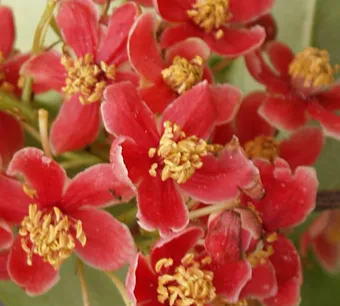
Description
Growing requirements
Actinidia rubricaulis is a woody perennial vine belonging to the Actinidiaceae family. It is native to the forest ecosystems of East Asia, where it thrives in humid environments, using larger trees as natural supports to reach the forest canopy for better light exposure.
The plant requires fertile, well-draining soils rich in organic matter to support its vigorous annual growth. A slightly acidic to neutral soil pH is ideal, as it facilitates the efficient uptake of essential nutrients necessary for the development of its characteristic red-toned petioles.
Regarding climate, the species prefers locations with consistent moisture levels and protection from desiccating winds. While it is relatively shade-tolerant, partial sun exposure during the morning hours promotes healthier leaf development and more robust woody growth in temperate climates.
Water management is essential, as the plant demands significant hydration during the active growth season. However, producers must ensure that the planting site does not suffer from waterlogging, which can cause root asphyxiation and lead to the decline of the vine.
Applying organic mulch around the base of the plant is a highly recommended horticultural practice. This technique helps to regulate soil temperature, preserve moisture during dry spells, and gradually improve soil structure as the organic material decomposes over time.
Main diseases and pests
Actinidia rubricaulis is generally considered a robust species, but it remains susceptible to various fungal pathogens when cultivated in poorly ventilated environments. Excessive humidity can lead to leaf spot diseases, which necessitate careful pruning to improve airflow.
Pests such as spider mites and aphids may become a problem during periods of heat stress or drought. Integrated pest management, focusing on biological controls and regular monitoring, is the preferred approach for maintaining the health of the vine in a professional or private garden setting.
Young plants are particularly vulnerable to vertebrate damage, with cats often being attracted to the aromatic compounds in the stems. Using physical barriers or tree guards during the establishment phase is standard practice to prevent mechanical damage to the trunk.
Nutrient imbalances, particularly excessive nitrogen fertilization, can make the soft tissues of the vine more susceptible to infestations. Maintaining a balanced nutrient profile is critical for building the natural defenses of the plant against environmental stressors.
Sanitation is a cornerstone of effective disease prevention. Collecting and disposing of fallen foliage at the end of the growing season removes potential overwintering sites for pathogens, significantly reducing the inoculum pressure for the following spring.