
Actinidia pilosula
Actinidia pilosula
Description
Growing requirements
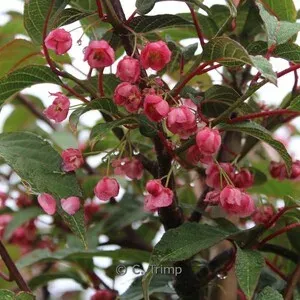
Actinidia pilosula, commonly known as hairy actinidia, is a deciduous woody vine belonging to the family Actinidiaceae. This species is characterized by its distinct pubescent (hairy) stems and leaves, which serve as a morphological adaptation within its native environment.
The plant originates from the mountainous regions of East Asia, primarily thriving in temperate to subtropical zones. It requires a specific microclimate characterized by high humidity and protection from extreme temperature fluctuations, which dictates its successful cultivation range.
Soil requirements for Actinidia pilosula are quite specific: it demands deep, fertile, and well-drained soil with a slightly acidic to neutral pH. Poorly drained heavy clays can lead to root suffocation and should be amended with organic matter before planting.
Cultivation necessitates the use of robust trellis systems, as the plant is a vigorous climber. Proper placement involves selecting sites with dappled shade, as intense direct sunlight can scorch the foliage of young plants, hindering their establishment and overall growth rate.
Water management is critical during the growth cycle. Consistent moisture availability is required for the plant to thrive, but it must be balanced with adequate drainage. Mulching the root zone helps to maintain soil moisture levels and suppress competing weed growth effectively.
Main diseases and pests
The primary threats to Actinidia pilosula involve fungal pathogens that flourish in stagnant or overly humid conditions. Leaf spot diseases are a frequent concern, often resulting from poor airflow around the foliage and excessive surface moisture.
Pests such as mites and aphids can pose a significant challenge during the early stages of vegetation. These insects can cause damage by feeding on nutrient-rich sap from young leaves and shoots, which may eventually lead to stunted growth if left unmanaged.
Root rot, often caused by Phytophthora or other soil-borne pathogens, is a major risk when soil drainage is insufficient. Ensuring proper soil aeration and avoiding over-irrigation are the most effective cultural control methods for mitigating this threat.
Sanitation is a vital component of integrated pest management. Removing infected plant debris and performing annual pruning to thin out the canopy helps significantly reduce the inoculums and prevents the spread of diseases within the planting rows.
Regular monitoring of the vine during the spring and summer months allows for timely intervention. Growers are encouraged to use targeted biological controls or low-toxicity fungicides to maintain plant health while minimizing the environmental impact on the orchard ecosystem.