
Actinidia melanandra
Actinidia melanandra
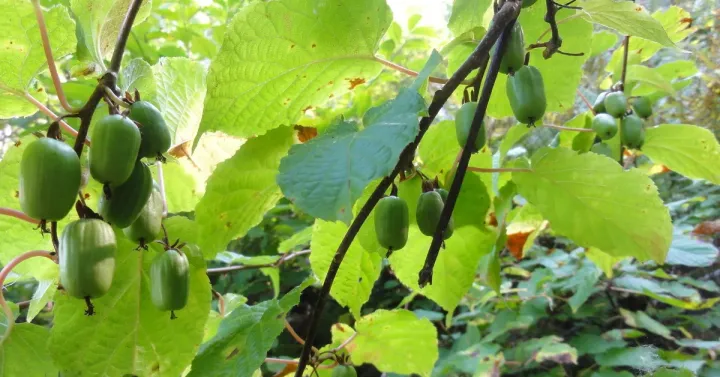
Description
Growing requirements
Actinidia melanandra is a vigorous woody climbing vine belonging to the Actinidiaceae family. Native to the forest regions of East Asia, it thrives in environments that provide moderate moisture and temperate climate conditions.
As a climber, it requires a robust support structure, such as a sturdy trellis, fence, or pergola, to accommodate its rapid vegetative growth. The plant features heart-shaped foliage and fragrant flowers that bloom in early summer.
The ideal planting location for this vine is in partial shade or areas with dappled sunlight. Direct exposure to intense midday sun and strong winds should be avoided to prevent leaf scorch and mechanical damage to the climbing stems.
Soil requirements include well-drained, fertile, and slightly acidic to neutral substrate. The plant is sensitive to waterlogged conditions, so ensuring proper drainage is essential for the longevity of the root system.
Regular maintenance involves consistent watering during dry periods and mulching to keep the roots cool. In colder regions, young plants may require winter protection until they are fully established and matured.
Yield
The fruit of Actinidia melanandra is distinct due to its dark, purplish-black coloration upon full maturity, which differentiates it from the more common green-fleshed relatives of the Actinidia genus.
The taste profile is sweet with a refreshing tartness and a rich aroma. These small berries are packed with beneficial nutrients, including high concentrations of Vitamin C, making them a nutritious addition to any diet.
Productivity relies heavily on effective pollination. Because the species is typically dioecious, gardeners must plant both male and female vines in close proximity to ensure successful fruit set and optimal crop yields.
Plants generally reach maturity and begin to produce fruit within 4 to 6 years of planting. Harvesting requires careful observation, as the berries are delicate and have a tendency to drop shortly after reaching peak ripeness.
These berries are versatile in culinary applications, being suitable for fresh consumption, preserves, jams, or even drying. Their unique appearance and flavor make them a sought-after choice for gourmet gardening.
Main diseases and pests
Late spring frosts pose the most significant risk to the plant, as they can cause extensive damage to emerging buds and young shoots. Protective measures such as frost blankets are advised during unpredictable weather.
A notable challenge for the grower is the attraction of cats to the plant's roots and stems. Protecting young vines with physical barriers, such as wire mesh, is highly recommended to prevent feline damage.
Fungal issues, such as powdery mildew, may occur if the plant is grown in overly crowded conditions with poor air circulation. Pruning is necessary to keep the canopy open and healthy throughout the growing season.
While pests are not a major issue for established plants, aphids or caterpillars may occasionally cause damage to leaves. Integrated pest management using organic sprays is preferred to maintain the health of the fruit.
Consistent root health is vital; therefore, avoiding nitrogen-heavy fertilizers in late autumn is crucial to prevent secondary growth that might not harden off before the onset of winter frosts.