
Actinidia macrosperma
Actinidia macrosperma
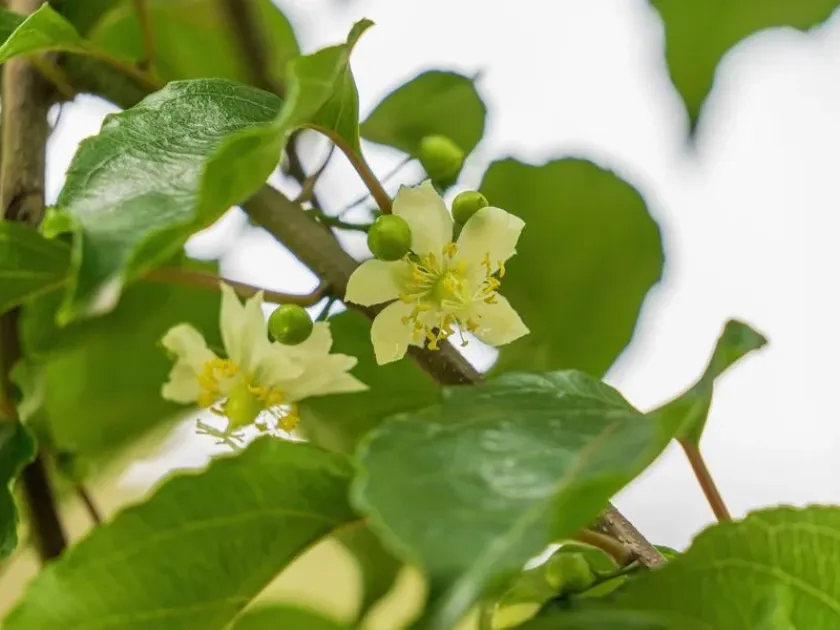
Description
Sowing dates
Propagating Actinidia macrosperma is most effective through vegetative cuttings, either softwood in early summer or hardwood in late winter. Using a rooting hormone on the cuttings significantly enhances the success rate in a controlled greenhouse environment.
For those starting from seeds, cold stratification for 90 days at near-freezing temperatures is required to break dormancy. Seeds should be surface-sown on a well-draining, moist seed-starting mix to ensure adequate germination rates.
Once seedlings have developed their second set of true leaves, they should be transplanted into individual containers. This allows the roots to develop fully without competition, preparing the young vines for their final outdoor location.
Planting in the garden should take place after the danger of frost has passed, usually in late spring. Providing a protective mulch layer around the base will help retain moisture and regulate soil temperature during the critical establishment period.
Young plants benefit from some light shading during their first year in the ground. Gradually exposing them to full sun will help build resilience and prevent leaf scorch in sensitive young specimens.
Growing requirements
Actinidia macrosperma, belonging to the Actinidiaceae family, is a woody vine native to the temperate and subtropical forest regions of China. It is highly valued for its vigorous growth habit and ability to thrive in partial shade conditions.
The ideal soil for this species is a rich, loamy medium that provides excellent drainage. While it thrives in slightly acidic to neutral soils, it is critical to prevent waterlogging, which can lead to root rot in many climbing species.
Watering is a major component of successful cultivation, as these vines prefer consistently moist soil. During peak summer heat, providing supplemental irrigation and maintaining high ambient humidity will keep the plant in optimal vegetative condition.
Sturdy support structures are essential for the mature vine, as its weight can increase significantly over time. Regular pruning is necessary not only for shape but also to keep the growth confined to the support system and encourage healthy foliage.
Climatic adaptability is a hallmark of this species, though it performs best when protected from harsh, drying winds. An optimal site provides morning sunlight with afternoon shade, mirroring its natural forest understory habitat.
Main diseases and pests
Fungal diseases such as powdery mildew can become a nuisance if airflow is restricted within the foliage. Regular thinning of the stems is recommended to promote ventilation and reduce the risk of humidity-related pathogens developing.
Pests like aphids and spider mites can occasionally affect the plant, particularly if it is under drought stress. Implementing an integrated pest management strategy ensures that these pests are controlled without disrupting the garden ecosystem.
Cats are known to be attracted to the scent of some Actinidia species, which may lead to physical damage to young, tender stems. Protecting the base of the vine with wire netting is a simple and effective measure to prevent such incidents.
Nutrient deficiencies, particularly iron or magnesium, can manifest as yellowing of the leaves. Applying a balanced fertilizer in the early spring, along with organic compost, usually corrects these issues and supports vigorous growth.
Regular sanitation, including the removal of dead or crossing branches, is vital for maintaining the long-term health of the plant. By keeping the vine clean and well-structured, the risk of disease colonization is kept to a minimum.