
Veitch's silver fir
Abies veitchii Lindl.
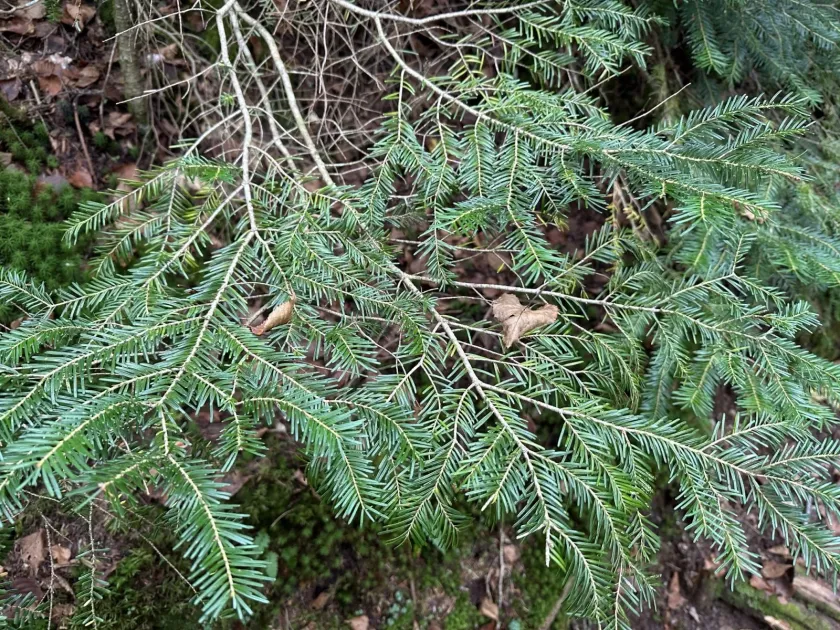
Description
Sowing dates
The sowing of Abies veitchii seeds in nurseries is typically performed in autumn or spring, following a period of cold stratification. Stratification should last between one and two months at temperatures around +4 °C to ensure uniform germination.
Seeds should be sown in open ground at a depth of no more than 1–2 centimeters. It is crucial to maintain a loose, well-draining soil structure so that the delicate seedlings can successfully emerge without obstruction.
When growing seedlings, maintaining a row spacing of 20 to 30 centimeters is ideal. This spacing facilitates proper air circulation, which significantly reduces the risk of fungal infections during the early stages of growth.
After sowing, mulching the beds with peat or conifer needles helps maintain consistent soil moisture. This practice also serves as a protective layer against sudden temperature fluctuations and drying winds that could damage young shoots.
During their first two years, Veitch's silver fir seedlings grow slowly and require partial shade to protect them from intense sunlight. Consistent, moderate irrigation is essential to ensure the survival and vigor of the young plants.
Growing requirements
Veitch's silver fir, a member of the Pinaceae family, is native to the mountain forests of Japan. This species prefers cool, humid climates and exhibits excellent winter hardiness in temperate regions.
The tree thrives in fertile, deep, loamy, and well-drained soils with an acidic or slightly acidic pH. Waterlogging must be strictly avoided, as stagnant moisture can quickly lead to root rot and tree decline.
When planting, select a site that is sheltered from strong winds and intense afternoon sun. While it is generally light-demanding, Abies veitchii benefits from filtered or dappled light during its formative years.
In regions experiencing hot, dry summers, regular misting of the canopy is recommended. Increased atmospheric humidity helps preserve the vibrant appearance of the needles, which feature a distinctive silvery underside.
Effective agrotechnics involve mulching the root zone with bark or wood chips to replicate a natural forest floor. This keeps the root system cool and suppresses weed growth in the immediate vicinity of the trunk.
Main diseases and pests
The primary pest of Abies veitchii is the balsam woolly adelgid, which appears as a white, cotton-like substance on the needles. Severe infestations can cause the foliage to yellow and drop prematurely.
Various rust fungi pose a significant threat as well, often causing shoot deformation and unsightly spotting on the needles. Maintaining good garden hygiene and preventing overcrowding are the best preventative measures.
Excessive soil moisture creates a risk of Phytophthora root rot. If the canopy shows signs of wilting, systemic fungicide treatments may be necessary, though prevention remains the most effective management strategy.
Bark beetles may target weakened trees; therefore, maintaining an optimal irrigation schedule is vital to keep the tree resilient. A healthy, actively growing tree possesses the natural defenses to resist many secondary pests.
- Regular inspection of the underside of needles for aphid or adelgid colonies.
- Preventative applications of horticultural oils or insecticides during the spring growth phase.
- Pruning and destroying infected branches immediately to limit the spread of fungal spores.