
Spanish fir
Abies pinsapo Boiss.
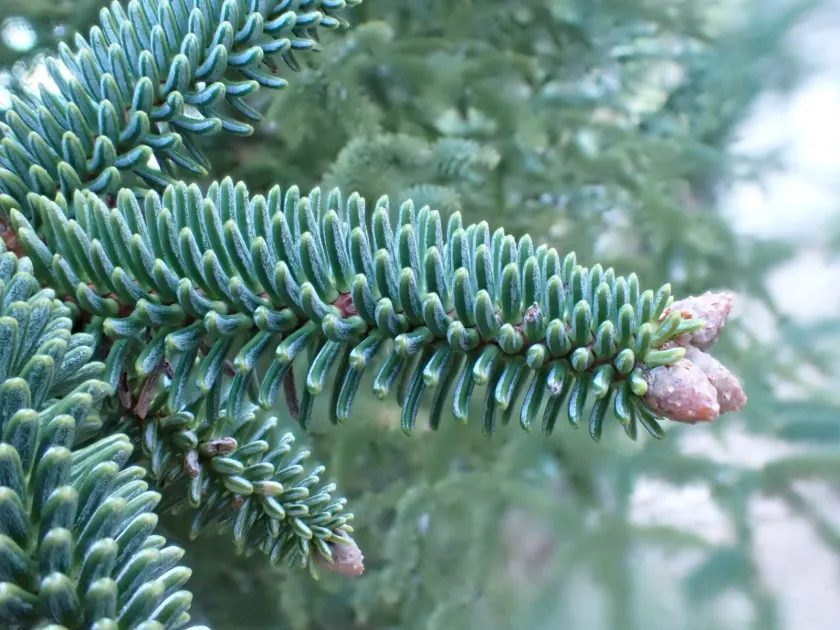
Description
Growing requirements
The Spanish fir (Abies pinsapo) is an evergreen conifer belonging to the Pinaceae family. Native to the mountainous regions of southern Spain, it has adapted to specific high-altitude conditions and Mediterranean climates.
Botanically, this species is distinguished by its rigid, sharp needles arranged radially around the shoots, which gives the branches a characteristic "bottle brush" appearance. It is a slow-growing tree that exhibits a majestic, conical shape as it matures.
The species requires sunny to partially shaded locations protected from drying winds. It thrives in well-drained, fertile soils with a neutral to slightly acidic pH, showing better drought tolerance than most other fir species.
In terms of cultivation, establishing the tree in a location with adequate drainage is essential, as waterlogging is detrimental to its health. Mulching is highly recommended to maintain soil moisture and protect the root system from thermal extremes.
The primary use of the Spanish fir is ornamental. Due to its dense, symmetrical growth and unique foliage, it is prized as a specimen tree in large gardens, arboretums, and landscaping projects where its sculptural form can be fully appreciated.
Main diseases and pests
Fungal diseases, particularly needle cast and various types of rust, pose the most significant threat to Spanish fir. These conditions are often exacerbated by poor air circulation and excessive humidity within the foliage canopy.
Pests such as aphids (specifically Chermes species) and bark beetles can cause significant damage if left untreated. Regular inspections are necessary to identify early signs of infestation and prevent tree decline.
Maintaining high plant vigor through proper fertilization and irrigation is key to reducing susceptibility to diseases. Balanced feeding with essential trace elements helps the tree withstand biological stress.
Sanitation practices, such as removing fallen needles and pruning infected branches, are critical for disease management. Keeping the base of the tree clean helps minimize the local spore population of pathogenic fungi.
Integrated pest management strategies, including the use of systemic insecticides during the growing season, should be employed only when necessary to protect the tree from invasive insect populations.