
Subalpine fir
Abies lasiocarpa (Hook.) Nutt.
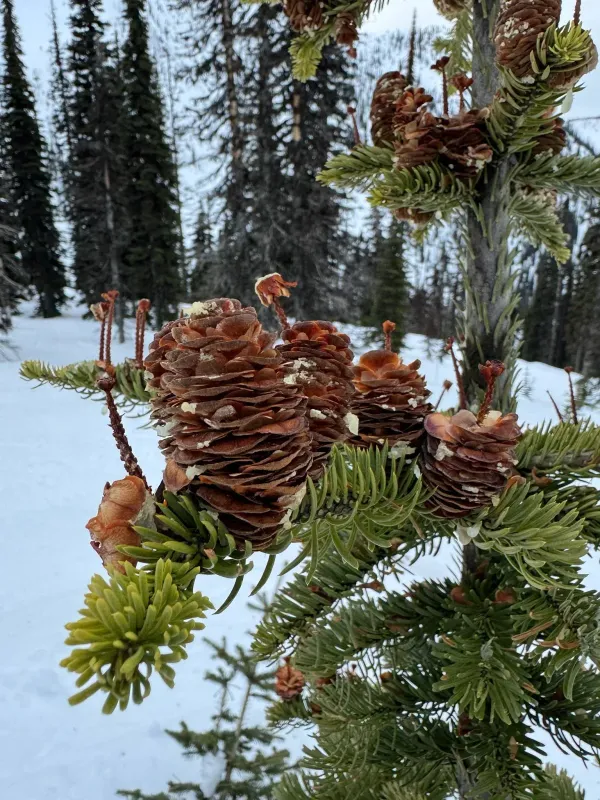
Description
Sowing dates
The Subalpine fir, scientifically known as Abies lasiocarpa, belongs to the Pinaceae family and is an evergreen conifer primarily native to high-altitude mountain regions in North America. Propagation is most successful through seeds, which require a period of cold stratification for several weeks before sowing to improve germination rates.
Seeds are typically sown in early spring in a well-draining, peat-based substrate to ensure optimal root development. Maintaining a consistent temperature and moisture level is crucial during the initial stages, as the germinating seeds and young seedlings are sensitive to environmental fluctuations.
The early growth phase of Subalpine fir is notably slow. During the first few years, it is highly recommended to cultivate the young trees in containers or protected nursery beds where they can be shielded from harsh winds, direct summer heat, and potential frost damage.
Once the saplings reach a robust stage, typically after three to five years, they are ready for transplanting. Moving the trees in early spring, just before the growing season begins, helps the root system establish itself in the new location before the arrival of summer heat.
When planting, it is essential to prepare a hole at least twice the width of the root ball. Using high-quality organic matter mixed with the existing soil creates a nutrient-rich environment that encourages deep root penetration and promotes long-term tree health.
Growing requirements
This species thrives in cool, moist climates and prefers deep, well-draining, slightly acidic soil. It is well-adapted to high-altitude conditions, but it generally struggles in urban environments where air pollution and heat islands can significantly impair its growth and vitality.
For ornamental purposes, it is best to plant the Subalpine fir in locations that receive partial shade, especially during the hottest hours of the day. Consistent moisture is required, but the soil must never be waterlogged, as poor drainage is the primary cause of root rot in this species.
Fertilization should be performed using specialized conifer fertilizers, applying them in early spring and mid-summer to support healthy foliage and balanced growth. Avoid late-summer fertilization, which might stimulate tender growth that is susceptible to early autumn frosts.
Applying a layer of organic mulch around the base of the tree is a vital agricultural practice. It helps regulate soil temperature, suppresses competing weeds, and increases the organic content of the soil as it slowly decomposes over time.
While the tree naturally maintains a narrow, pyramidal shape, minimal pruning may be necessary to remove dead or diseased branches. Pruning should be kept to a minimum to ensure the tree maintains its characteristic and attractive natural habit.
Main diseases and pests
The Subalpine fir can be affected by several pests, including aphids and the balsam woolly adelgid. These insects feed on the sap and can lead to branch deformation or needle loss, requiring timely treatment with systemic insecticides to prevent severe damage to the tree's health.
Fungal diseases, such as needle cast and various rusts, are frequent threats in environments with high humidity and poor air circulation. Improving spacing between trees and maintaining a clean area around the base can drastically reduce the likelihood of fungal outbreaks.
Root rot, often caused by Phytophthora species, is a significant threat when soil drainage is insufficient. If a tree shows signs of yellowing or canopy decline, it is often a sign of deep-seated root issues that are difficult to correct once established.
In hot and dry weather, the spider mite can become a nuisance, damaging the needles by sucking out their contents. Frequent monitoring of the needles, particularly on the underside, and applying appropriate miticides are standard management practices for ornamental plantings.
Preventative care is the most effective approach to managing these threats. By ensuring proper site selection, maintaining soil health, and performing regular site inspections, gardeners can ensure their Subalpine fir trees remain healthy, vibrant, and resilient against local stressors.