
How Often Should Soil Analysis Be Conducted: Recommendations for Farmers and Landowners
Soil analysis is one of the key tools for controlling its quality, fertility, and safety. Whether you are engaged in agriculture professionally or growing vegetables for your own needs, regular soil testing allows you to obtain accurate information about its…
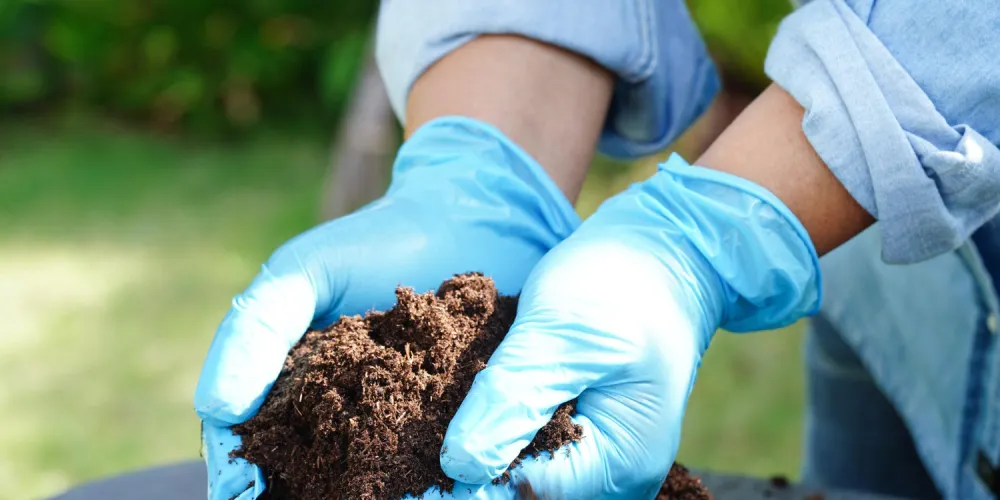
Soil analysis is one of the key tools for controlling its quality, fertility, and safety. Whether you are engaged in agriculture professionally or growing vegetables for your own needs, regular soil testing allows you to obtain accurate information about its condition and make the right decisions regarding land care.
Many people underestimate the importance of timely monitoring, but it is regular laboratory soil testing that helps detect changes in composition, nutrient levels, or the presence of contamination at an early stage. This makes it possible to avoid crop losses and maintain stable land productivity.
Why it is important to conduct analysis regularly
Soil is a dynamic system that constantly changes under the influence of external factors. The use of fertilizers, weather conditions, cultivation intensity, and even the type of crops grown affect its composition.
Main reasons for regular analysis:
- monitoring nutrient levels
- assessing acidity (pH)
- detecting toxic substances and contaminants
- optimizing fertilizer use
Regular monitoring helps prevent soil depletion and ensure stable yields.
How often soil analysis should be conducted
The frequency of analysis depends on the type of land use:
- For agricultural enterprises — once every 1–3 years
- For intensive farming — annually
- For private plots and vegetable gardens — once every 2–3 years
- Before purchasing or developing a plot — mandatory
If the soil is actively used or there is a suspicion of contamination, analysis should be conducted more often. This will allow timely response to changes and adjustment of agrotechnical measures.
When is the best time to conduct testing
The optimal time for sampling is between seasons, when the soil is not actively affected by fertilizers or cultivation. Most often, this is:
- spring before sowing
- autumn after harvesting
During these periods, the analysis results will be the most objective and will help properly plan further actions.
What soil analysis shows
Modern laboratory tests make it possible to obtain a complete picture of soil condition. They determine:
- the content of macro- and microelements
- acidity level
- the presence of heavy metals and pesticides
- overall environmental condition
The accuracy of the results depends on the quality of the equipment and the experience of specialists, so it is important to choose reliable laboratories, such as the Central Biochemical Laboratory “CBL”.
Why soil analysis should not be ignored
Ignoring regular monitoring can lead to serious problems:
- reduced yields
- excessive fertilizer use
- accumulation of harmful substances
- deterioration of product quality
In the long term, this affects not only profit but also the environmental condition of the area.
Advantages of working with a laboratory
Contacting specialized institutions allows you to receive not only analysis results but also professional recommendations. The Central Biochemical Laboratory “CBL” centralbiolab.com.ua provides a comprehensive approach to soil testing, including accurate measurements and consultations on further actions.
This is especially important for farmers who seek to optimize costs and improve production efficiency.
Periodic soil analysis is a necessary condition for preserving its fertility and safe use. Regular testing allows you to monitor the condition of the land, identify problems in time, and make informed decisions.
In modern conditions, this is not just a recommendation but an important element of responsible land use. By investing in soil analysis today, you ensure stable results and environmental safety in the future.
Editorial team agronom.info
Materials are prepared by the portal's agronomists and editors. We use only trusted sources: Ukrainian agricultural universities, variety registries, open scientific publications.
Related articles
Not yet comments. Be the first!
Comments