
Protecting paving blocks and pavements with water repellents
Find out how to protect paving from breaking up, efflorescence and moisture using modern silicone impregnations. We look at the technology and the rules for applying it.
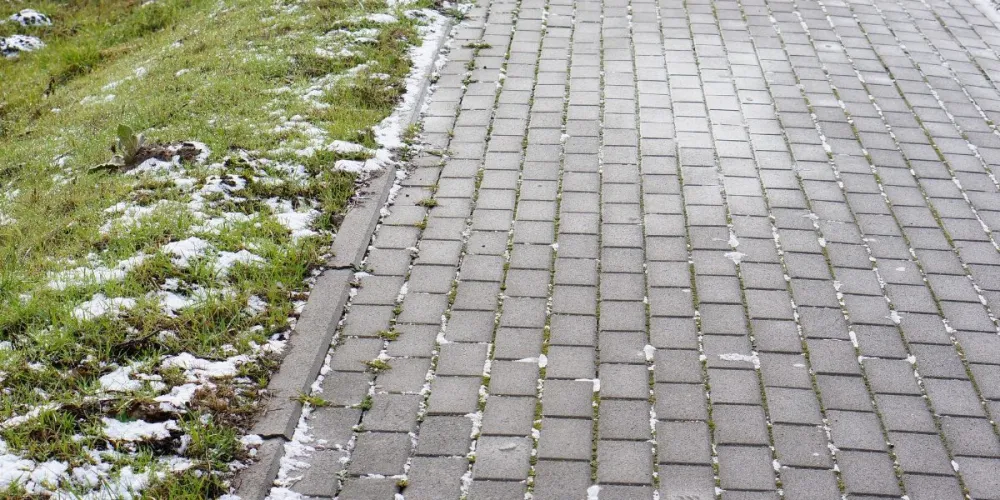
Why concrete surfaces break up in a changeable climate
Paving slabs and blocks laid in the open are constantly exposed to moisture, temperature swings and chemical de-icers. Concrete is markedly porous, which leaves it vulnerable to capillary absorption of water. When the temperature drops below zero, the moisture collected in the pores turns to ice and expands by up to nine per cent. This physical process creates internal pressure that produces microcracks, spalling and the gradual crumbling of the material. To prevent this, owners of private grounds often buy a water repellent for paving, which penetrates deep into the capillary system and blocks the ingress of liquid without changing how the surface looks.
Besides physical breakdown, concrete products often suffer from efflorescence — crystalline salt deposits washed out of the cement mortar to the surface by groundwater or rain. This not only spoils the appearance of the paths but also degrades the binder. Specialised silicone impregnations create a chemically stable barrier that prevents salts from migrating to the surface, preserving the decorative texture of the material for years. Regular maintenance with such products considerably reduces the cost of cosmetic repair or full replacement.
The technical side of applying water-repellent compounds
How well the protection works depends directly on following the application technique. The substrate must be cleaned of dust, dirt, oil stains and old paint coatings. Remember that even a professional product will not work if the pores of the material are clogged with building dust or a film of contamination lies on the surface. Compounds based on siloxane give a durable result, because the molecules of the active substance form a firm bond with the mineral structure of the stone and change its surface tension.
When choosing a protective product, take into account the type of material and the visual effect you expect. Some impregnations create a wet-stone effect, deepening the colour and texture, while others remain entirely invisible. An important point is preserving vapour permeability: the coating must repel water from outside yet allow moisture inside the concrete to evaporate freely. Break this rule and internal pressure builds up, the coating peels early or the very top layer of concrete flakes away.
How to check the quality of the water-repellent barrier
The quality of the protective work is judged by an absorption test. A properly treated surface should show a pronounced beading effect: water landing on the paving gathers into neat spheres and does not soak in for a long time. For the most even result, follow this sequence of steps:
Clean the surface thoroughly with a pressure washer or specialised cleaning agents that contain no aggressive acids.
Let the substrate dry completely, since excess moisture inside the pores can prevent the repellent molecules from penetrating deeply.
Apply the product by spray or roller, achieving even coverage without runs or pools.
Observe the temperature range recommended by the manufacturer, and do not work if rain is likely in the hours after application.
Check that the second coat is spread evenly, where the technical specification calls for one on highly absorbent substrates.
Once polymerisation is complete — usually somewhere between a few hours and a day — the surface becomes resistant to the weather. How often the protective layer needs renewing depends on how heavily the surface is used and on the regional climate. In areas of high humidity or heavy foot traffic the interval between treatments may be shorter. Using quality chemistry minimises the harmful effect of the environment and considerably extends the interval between repairs, making the care of a garden plot simple and effective without constant spending on restoring the paving.
Editorial team agronom.info
Materials are prepared by the portal's agronomists and editors. We use only trusted sources: Ukrainian agricultural universities, variety registries, open scientific publications.
Related articles

Not yet comments. Be the first!
Comments