
Selection and Planting of Fruit Crop Seedlings in Central Russia's Climate
This article covers key aspects of selecting and planting fruit crops for private gardens. You will learn how to properly prepare the soil and ensure conditions for the longevity of your plot.
Criteria for Selecting Quality Planting Material
Establishing a garden begins with choosing healthy and vigorous planting material. The quality of the seedling determines not only its survival in a new location but also future yields and resistance to adverse climatic factors. The professional ornamental plant nursery "Luxurious Garden" pays special attention to the selection and breeding of varieties adapted to regional conditions. When purchasing plants, it is important to pay attention to the state of the root system, the absence of mechanical damage to the bark, and the presence of certificates confirming variety authenticity. A closed root system allows for planting throughout the entire growing season, which significantly simplifies the planning of agrotechnical work. A high-quality seedling should have a developed root system without signs of rot, mold, or abnormal growths. If the shoots look parched and the bark has a wrinkled structure, this is a sure sign of poor storage or transportation conditions.
Optimal Timing and Planting Technique
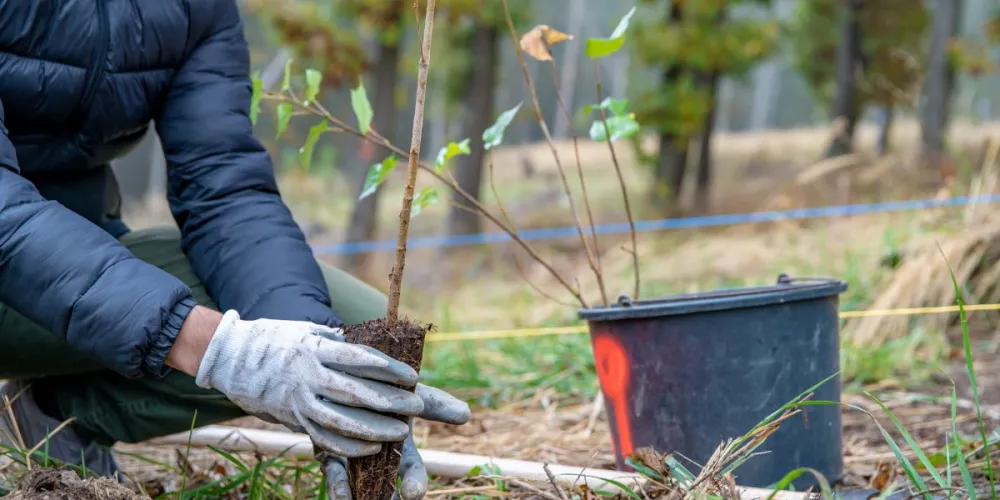
The choice of planting time depends on the biological characteristics of the crop. Fruit trees and shrubs take root best while in a dormant state, so early spring before sap flow begins or the autumn period before the onset of persistent cold are considered the most favorable times. If you are planning an expansion of your garden, you can buy fruit and berry seedlings on the website in advance, which will allow you to thoroughly prepare the planting pits. The size of the hole should correspond to the dimensions of the root ball: as a rule, for a two-year-old seedling, a diameter of 60-80 cm and a depth of 50-60 cm is sufficient. It is important to provide a fertile layer of soil enriched with organic matter and mineral complexes, avoiding direct contact of the roots with fresh manure, which can cause burns. Correct planting involves placing the plant at a depth corresponding to the level of the root collar: excessive deepening leads to stunted development, while planting too high makes the roots vulnerable to drying out.
Agrotechnical Practices for Intensive Growth
After planting a young plant, it is critically important to ensure proper care during the first two to three years. The main aspects are regular watering, mulching the tree trunk circle, and crown formation. Mulching helps retain soil moisture and suppress weed growth, which reduces competition for nutrients. Watering should be deep, soaking the soil to the full depth of the roots, rather than shallow, which stimulates the growth of adventitious roots in the top layer and reduces the plant's winter hardiness. Optimal care implies creating a microclimate in the trunk area that promotes the development of beneficial soil microflora.
Regular sanitary pruning to remove dry and damaged branches.
Timely preventive treatment with preparations against fungal infections.
Root and foliar feeding during periods of intensive growth.
Monitoring the condition of the bark and trunk to prevent sunburn and damage by rodents.
Using root formation stimulants during transplanting for rapid adaptation.
The Importance of Microclimate and Protection Systems
Proper selection of varieties for the specific microclimate of your plot minimizes labor costs. It is important to consider the territory's lighting, as most fruit crops are light-loving and require placement in open, well-ventilated areas protected from cold winds. Excessive shading leads to elongated shoots, reduced fruit bud formation, and poorer harvest flavor. The gardener should analyze the wind rose and groundwater level: excess moisture in the root zone is often the cause of root rot. To combat pests and diseases, it is necessary to implement an integrated protection system that combines biological methods with environmentally safe preparations. This not only increases harvest volumes but also preserves the environmental purity of the produce, which is critically important for family consumption.
Aesthetic and Functional Integration
Combining decorative elements with fruit crops allows for the creation of a harmonious space that provides aesthetic pleasure and supplies the family with fresh fruits and berries. Competent zoning of the plot using trellises, hedges made of berry shrubs, and carefully formed trees transforms the landscape. It is important to remember the need for periodic renewal of the nutrient medium in the soil, as perennial crops gradually deplete the mineral reserves. Regular application of compost and complex fertilizers supports the garden's vitality for many years. Attention to detail at the planning and selection stage of planting material will be the key to the longevity of your garden and its high productivity for decades to come. The final result of a professional approach to gardening is a sustainable ecosystem that requires less and less intervention from the owner as the plants mature, delighting with stable annual yields and an impeccable appearance.
Editorial team agronom.info
Materials are prepared by the portal's agronomists and editors. We use only trusted sources: Ukrainian agricultural universities, variety registries, open scientific publications.
Related articles

Not yet comments. Be the first!
Comments