
Rapid Food Safety Control: Methods and Equipment
Ensuring the stable quality and biological safety of food products is a critically important task for processing enterprises, retail chains, and regulatory authorities.

Ensuring stable quality and biological safety of food products is a critically important task for processing enterprises, retail chains, and regulatory authorities. Traditional laboratory testing of raw materials often takes from several days to a week, which is unacceptable in the conditions of modern high-speed товарообігу. The implementation of portable systems and rapid analyzers makes it possible to assess key sanitary indicators of raw materials and finished products in minimal time. Modern rapid food testing solutions can be extremely useful.
Rapid auditing of food facilities helps to quickly identify technological violations, prevent spoilage of large product batches, and eliminate the risk of food poisoning for end consumers. Modern technologies make it possible to standardize incoming quality control and automate data collection at all stages of production — from the acceptance of farm raw materials to warehouse shipment.
Rapid Testing Technologies in the Food Industry
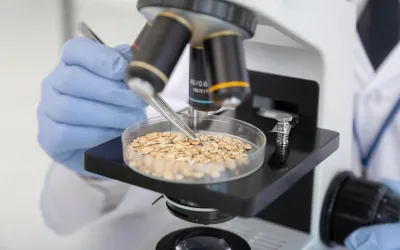
Specialized laboratory rapid tests for food products are used for operational monitoring at enterprises. They are based on immunochromatography, enzymatic analysis, and dry chemistry methods, which minimizes sample preparation time and eliminates the need for complex stationary equipment. Using ready-made testing kits, a laboratory technician or technologist can determine the presence of dangerous toxins, antibiotics, pesticides, and signs of product adulteration within just a few minutes.
Portable test systems are actively used for the analysis of milk, meat, grain, confectionery products, and fruit and vegetable products. They provide high sensitivity and accuracy comparable to classical laboratory methods while ensuring maximum operational autonomy, allowing tests to be carried out directly in production facilities or storage warehouses.
Economic Benefits and Efficiency of Rapid Monitoring
The use of rapid testing methods allows manufacturers to:
- Optimize logistics chains.
- Significantly reduce truck downtime at receiving docks.
- Enable company management to make informed raw material purchasing decisions in real time by filtering out low-quality components before they reach processing lines.
The integration of portable analyzers into the overall HACCP food safety management system guarantees full quality traceability and simplifies compliance with government inspections.
Editorial team agronom.info
Materials are prepared by the portal's agronomists and editors. We use only trusted sources: Ukrainian agricultural universities, variety registries, open scientific publications.
Related articles

Not yet comments. Be the first!
Comments