
Quality control of concrete structures and modern laboratory equipment
Concrete strength testing is a key stage of technical supervision at all stages of the construction of monolithic and precast reinforced concrete structures.
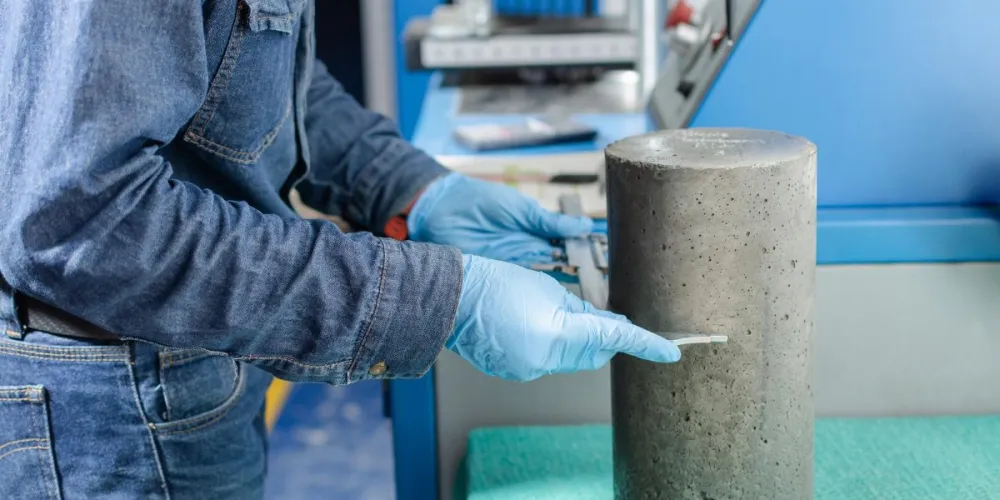
Concrete strength testing is a key stage of technical supervision at all stages of the construction of monolithic and precast reinforced concrete structures. Since concrete gains its design strength over a long period, regular monitoring allows for timely adjustments to the mixture recipe and informed decisions regarding formwork removal or proceeding to the next installation stage. The use of specialized equipment ensures the exact compliance of the material's actual physical and mechanical indicators with the design parameters specified in the construction project documentation. Competent concrete strength testing is incredibly important.
Methodology for evaluating strength characteristics of concrete mixtures
Classic methods of strength control are divided into destructive testing of standard cube samples and non-destructive testing directly at the construction site. A comprehensive approach implies combining both methods, which guarantees maximum reliability and eliminates the risks of using substandard raw materials.
In laboratory conditions, the strength of heavy and lightweight concrete is evaluated by the mechanical action of force-measuring devices on prepared concrete cubes or cylinders until their complete destruction. However, for rapid monitoring of finished monolithic structures, where core extraction is difficult or undesirable, non-destructive testing instruments are used.
Instrumentation for controlling physical and mechanical properties of concrete
For a comprehensive analysis of mortars and finished monolithic structures, high-precision measuring complexes from leading global manufacturers are deployed in factory and expert laboratories. The range of professional laboratory equipment for concrete includes the following items:
Hydraulic and electromechanical testing presses of various capacities for precision testing of cubes and cylinders for compression.
Specialized attachments and tensile testing machines for determining the tensile strength of concrete during splitting and bending.
Electronic sclerometers and impact pulse meters for rapid non-destructive assessment of structural strength on site.
Systematic testing using certified equipment allows construction laboratories to completely eliminate the risks of building element collapse due to hidden defects or violations of concrete curing technology. The high degree of automation of modern presses and portable instruments minimizes the influence of the human factor.
Editorial team agronom.info
Materials are prepared by the portal's agronomists and editors. We use only trusted sources: Ukrainian agricultural universities, variety registries, open scientific publications.
Related articles



Not yet comments. Be the first!
Comments · 0