
Chemical analysis of soil and popular research methods
The soil cover is the main accumulating link of the ecosystem, recording long-term anthropogenic and natural changes.
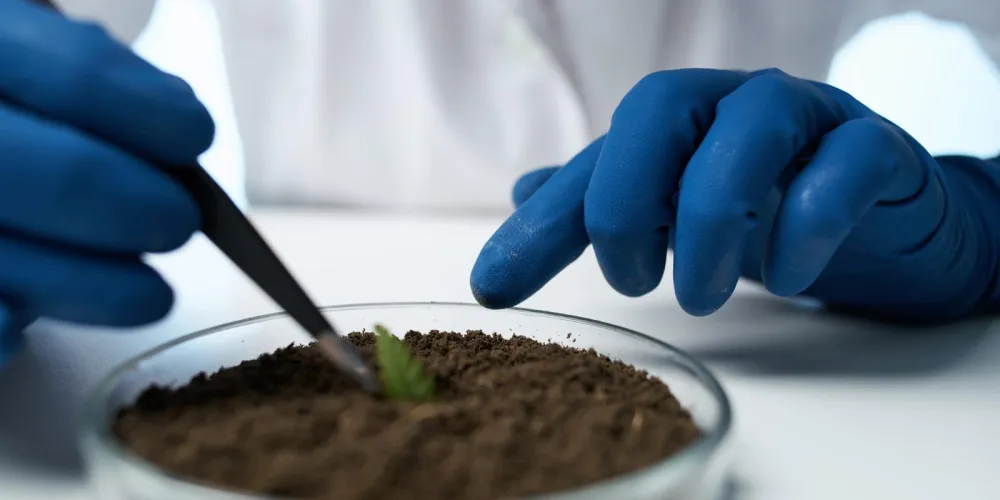
The soil cover is the main accumulating link of the ecosystem, recording long-term anthropogenic and natural changes. Conducting systematic soil studies allows for assessing its fertility, determining the degree of contamination by toxic substances, and justifying the safety of construction and agricultural activities. For chemical analysis of soil to be effective, it is essential to use high-quality equipment.
Soil composition and main indicators of soil condition
Soil is a complex multi-component system consisting of solid, liquid, gaseous, and living phases. A qualitative assessment of the soil cover requires a detailed study of its physical and chemical characteristics and elemental composition. During laboratory tests, the following key parameters are determined:
Gross content and mobile forms of micro- and macroelements, including nitrogen, phosphorus, and potassium.
Concentration of heavy metals such as lead, cadmium, copper, zinc, nickel, and mercury.
Content of organic matter and humus, which determine the structural state and energy potential of the soil.
Level of contamination by petroleum products, benzopyrene, and volatile organic compounds.
Total salinity and elemental composition of the water extract.
The pH value, which characterizes the degree of acidity or alkalinity of the soil solution.
How to determine soil acidity in laboratory and field conditions?
Soil acidity is a determining factor for nutrient availability to plants. In analytical practice, a distinction is made between actual acidity, caused by the presence of hydrogen ions in the soil solution, and potential acidity, associated with the soil's absorbing complex.
The determination of the pH value is performed by the potentiometric method using ionomers and pH meters equipped with a combined glass electrode. Measurements are carried out in a suspension prepared by shaking a soil sample with distilled water or a potassium chloride solution. For rapid orientation analysis in field conditions, portable digital pH meters with immersion electrodes or photometric express tests are used.
The choice of research methodology is determined by the physical and chemical properties of the analyzed compounds and the required sensitivity of the instruments. Modern chemical analysis of soil relies on the integrated use of high-precision laboratory equipment.
Editorial team agronom.info
Materials are prepared by the portal's agronomists and editors. We use only trusted sources: Ukrainian agricultural universities, variety registries, open scientific publications.
Related articles

Not yet comments. Be the first!
Comments