
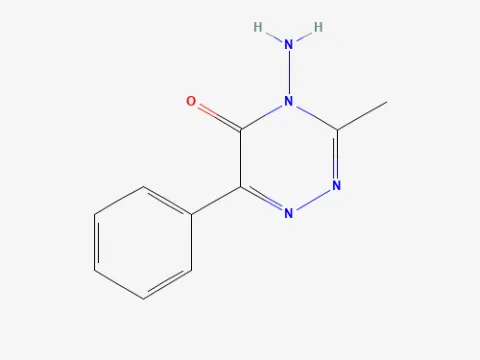
Metamitron
Metamitron is a selective systemic herbicide belonging to the triazinone chemical class, specifically designed for use in sugar beet cultivation.
What the section contains
Metamitron
The primary mechanism of action involves the inhibition of photosynthesis by interfering with electron transport within photosystem II of the target plants.
The active substance is absorbed by the roots from the soil and through the leaf surface following application, translocating through the xylem to the meristematic tissues.
Upon absorption, it triggers the disruption of photophosphorylation processes, leading to yellowing of the leaves and eventual necrosis of the weeds.
Sugar beets possess a metabolic resistance mechanism, enabling them to detoxify the metamitron molecule into harmless compounds, ensuring crop safety.
Metamitron is primarily used to control a wide range of annual broadleaf weeds and certain grassy species infesting sugar beet fields.
Susceptible species include common weeds such as Chenopodium album, Amaranthus species, Polygonum species, and Galium aparine.
It is particularly effective against weeds in the early stages of development, providing clean fields during the critical crop establishment phase.
The herbicide remains active against weeds that emerge shortly after treatment, offering a residual control effect when soil moisture is adequate.
In practice, it is often combined with other active ingredients to broaden the spectrum of controlled weed species in high-density infestation zones.
Application rates for metamitron vary significantly depending on soil organic matter content, weed pressure, and the development stage of the sugar beet crop.
A split-application strategy is generally recommended to effectively manage recurring flushes of weeds throughout the growing season.
Initial treatments should ideally target the cotyledon stage of weeds to maximize the herbicidal efficacy and reduce the required chemical dose.
Farmers are advised to adjust rates according to regional guidelines, ensuring compatibility with other tank-mixed partners during application.
Timing is critical: applications should be carefully planned to match the crop growth stage to minimize any risk of transient phytotoxicity.
Care must be taken on light soils with low organic content, where dosage adjustments are necessary to prevent potential injury to the sugar beets.
Applications should be avoided when the crop is under stress from drought, extreme temperature fluctuations, or severe pest/disease pressure.
Metamitron does not pose long-term risks to crop rotation; it breaks down effectively in the soil within one growing season under normal conditions.
Operators must adhere to standard safety protocols, including the use of appropriate personal protective equipment during mixing and spraying.
To ensure environmental safety, drift-reducing nozzles should be used to prevent the chemical from affecting sensitive non-target vegetation.