
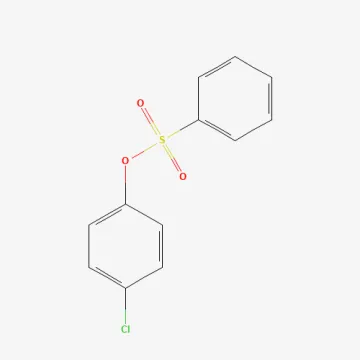
Fenson
Description
Mode of action
Fenthion belongs to the organophosphate class of compounds, possessing high biological activity against a wide spectrum of phytophagous pests. The action is based on the inhibition of the enzyme acetylcholinesterase in the insect's nervous system.
As a result of enzyme blockage, acetylcholine accumulates in the synapses, causing continuous nerve impulse excitation, paralysis, and subsequent death of insects or mites.
Preparations of this group are characterized by pronounced contact and systemic activity, allowing the substance to penetrate plant tissues and affect even hidden-dwelling pests.
Fenthion is capable of exhibiting residual activity, providing protection for vegetative plant organs for a certain period following treatment.
Due to its chemical structure, the substance effectively performs even under moderately low temperature conditions, which expands the application window early in the growing season.
What it targets
This group of substances is intended for the control of chewing and sucking insects, as well as various species of phytophagous mites that cause economic damage to crops.
The primary targets of impact include thrips, aphids, psyllids, leaf miners, and various spider mite species affecting field and vegetable crops.
Application is justified when pest populations exceed economic thresholds, and when other biological or selective methods prove insufficiently effective.
The substance shows excellent results when treating fruit orchards, vineyards, and vegetable crops in both open and protected environments.
The efficacy of the preparation against specific species may vary depending on the pest's developmental stage and the density of the plant foliage.
Rates and timing
Application rates depend on the level of infestation and the pest species composition, therefore, preliminary field scouting is recommended before spraying.
A crucial factor for success is the uniform coverage of all plant parts with the working solution, including the underside of leaves where mites and aphids are typically located.
The working solution must be prepared immediately before use, strictly adhering to the regulations provided by the manufacturer of the specific formulation.
Pre-harvest intervals must be strictly observed to ensure no residual amounts of the active ingredient remain in the marketable produce.
Treatment should be avoided during periods of active pollinator flight, such as bees, to prevent negative impacts on beneficial entomophagous insects.
Restrictions
Fenthion is a toxic compound to warm-blooded animals and bees, necessitating strict adherence to safety protocols when handling products in this group.
The use of personal protective equipment for skin, respiratory organs, and eyes is mandatory when preparing tank mixtures and performing spray applications.
Drift of the preparation to adjacent areas, water bodies, and pastures must be avoided by maintaining buffer zones in accordance with current legal regulations.
Systematic use of products from the same group can lead to pest resistance development, thus rotation with pesticides of other chemical classes is highly recommended.
Storage must be carried out in specialized warehouse facilities that exclude unauthorized access and prevent the substance from entering the soil or water sources.
Status in the European Union
Not approved in the EU
- CAS number
- 80-38-6
- Category (EU)
- AC - Acaricide
EU status is for reference only and does not replace national registration in your country.