
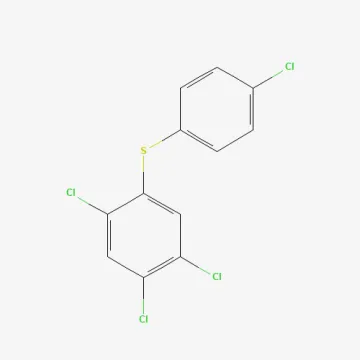
Tetrasul
Description
Mode of action
Tetrasul refers to a specific group of acaricides primarily used for contact control of mites in various agricultural crops. The substance targets specific physiological phases of mite development, effectively disrupting their metabolic processes.
The mode of action focuses on inhibiting the life cycle of plant-feeding mites. By acting as a contact agent, it prevents the development of larvae and suppresses the viability of eggs, ensuring a significant reduction in pest population density.
This group of chemical compounds is characterized by its high selectivity, targeting mites while generally maintaining low toxicity to beneficial insects when applied correctly. It acts as a reliable tool in integrated pest management programs.
Tetrasul demonstrates strong ovicidal properties, which is crucial for preventing outbreaks. By eliminating mite eggs before they hatch, it provides a preventative barrier that protects foliage from early-season damage.
The stability of the active substance on treated plant surfaces ensures long-lasting protection. Its properties allow it to adhere effectively to leaf cuticles, ensuring that mites coming into contact with the plant are exposed to the active ingredient.
What it targets
The primary targets for Tetrasul include various species of phytophagous mites, particularly the Tetranychidae family, which are known for causing significant damage to orchards, vineyards, and berry crops.
It is specifically effective against mites that cause chlorosis, leaf shedding, and reduced photosynthetic activity. By controlling these pests, the substance helps maintain the overall health and vigor of the plants throughout the growing season.
Tetrasul is particularly useful in environments where mite populations have developed resistance to other common acaricides. Its distinct chemical nature makes it an essential component for rotation-based resistance management strategies.
The scope of application covers major horticultural crops where mite infestation poses a high risk to yield quality and quantity. Effective mite control is vital for maintaining the aesthetic and commercial value of fruit and foliage.
Targeting both mobile stages and eggs allows for a comprehensive approach to mite management, preventing the re-colonization of plants by rapidly reproducing pests.
Rates and timing
Timing of application is critical for achieving maximum efficacy. Ideally, treatments should be conducted during the early stage of mite population development to capitalize on the ovicidal activity of the compound.
Application rates depend on the specific crop density, the level of infestation, and the type of spraying equipment used. Complete coverage of all plant surfaces, particularly the undersides of leaves, is necessary for success.
Weather conditions significantly impact the effectiveness of the treatment. Avoid spraying during extreme temperatures, high winds, or when precipitation is expected, as these factors may reduce the adherence and performance of the acaricide.
When mixing with other plant protection products, a compatibility test is recommended. Tetrasul is generally compatible with a wide array of pesticides used in modern orchard management practices.
Frequency of application should be limited to prevent the development of resistance. Rotating Tetrasul with other chemical groups with different modes of action is a best practice for sustainable agricultural management.
Restrictions
Safety protocols must be strictly followed when handling Tetrasul. This includes wearing appropriate personal protective equipment (PPE) such as chemical-resistant gloves, protective clothing, and respiratory protection.
Strict adherence to environmental regulations is required. Prevent runoff into water bodies and ensure that chemical residues are disposed of in accordance with local safety and environmental guidelines to protect aquatic ecosystems.
Pre-harvest intervals (PHI) must be strictly observed to ensure that chemical residues in the final product are within safe and legally allowed limits. Always check local agricultural regulations before application.
Storage should be in a cool, dry, and well-ventilated area, away from direct sunlight, children, and food products. Keeping containers tightly sealed is essential for maintaining product stability and safety.
When applying in areas near populated zones or apiaries, precautionary measures must be taken to prevent drift. Maintaining proper buffer zones is mandatory to avoid unintended exposure to non-target areas and beneficial pollinators.
Status in the European Union
Not approved in the EU
- CAS number
- 2227-13-6
- Category (EU)
- AC - Acaricide
EU status is for reference only and does not replace national registration in your country.